Runde von Nizza / (Tondo chiaro) di Nizza

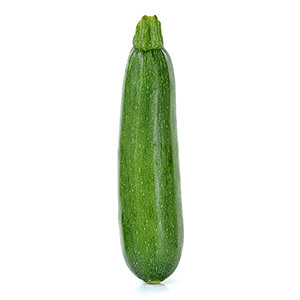
Variety
Runde von Nizza / (Tondo chiaro) di Nizza
Approved Data
created by steffen a. at 15.02.2020
Features
Fruit shape
tastes very good
blue
Color
carrot like
hellgrün
weiß
gesprenkelt
Location
Gewächshaus
Beet
Kübel
Freiland
$#!@
in Kompostnähe
Growth habit
fef
buschig
leicht rankend
Season Overview
Propagating
Planting
Harvest
J
F
M
A
M
J
J
A
S
O
N
D
Description
Develops many round, light green, tender fruits with whitish flesh, which can be harvested already orange-size (from about 10 cm ø) and are ideal for filling. Grows bushy at first, can later tendril, likes it warm, moist and nutritious. The young tender fruits taste best (also raw in salad). When fully grown, the spheres grow up to 30 cm, get a richer green and are then more suitable for soups. The flowers are also edible (e.g. filled).
Non hybrid
Growing tips
Zucchini seeds are best started in pots at the end of April. Germinate at temperatures of 18-25°C within a week. Harden off before planting out. Plant in a well-fertilized bed or compost in mid-May. Some seed manufacturers mention that at least two plants should be grown for pollination and fruit set. Protect from snails at the young plant stage. Cut off the fruits with an approx. 5 cm long stalk for a better shelf life. By regularly harvesting the young fruit, new fruit will continue to grow until the fall. The flowers can be harvested from September when the fruits are no longer ripe. Caution: Home-grown zucchini seeds are strongly discouraged because they can produce the toxic bitter substance cucurbitacin. Mixed cultivation with borage promotes pollination. Pumpkins and zucchinis of the same species can cross-pollinate, making zucchinis bitter and inedible or poisonous (due to so-called curcurbitacins). Recommended cultivation interval: 4 years.
Details


Light requirement
Sunny

Water requirement
Wet

Soil
Light (sandy)

Nutrient requirement
High

Plant distance
100 cm

Row spacing
100 cm

Seeding depth
2 cm

Companion Plants

Antagonistic Plants

Diseases
Angular leaf spot of cucumber
Soft rot
Grey mold
Powdery mildews

Pests
Spider mites
Leaf-miner flies
White fly