
Companion Plants for Tomatoes: Create Your Mixed Bed Plan
Mixed crops in the tomato bed have several advantages. When planning, however, you should pay attention to good and bad plant companions, as there are also plants that do not harmonise so well with tomato plants. In this article, you can find out which plants make good and bad companions for tomatoes in a mixed culture. You will also find a table below to give you an an overview. We have also created a digital bed plan to give you inspiration for your mixed cultivation with tomatoes.
This Article Contains:
- What Tomato Plants Need
- Tomatoes in a Mixed Crop: Companion Plants
- What Not to Plant With Tomatoes
- Good Companion Plants for Tomatoes
- Herbs and Flowers in the Tomato Patch
- Table: Companion Plants for Tomatoes
- Planting Tomatoes in the Greenhouse: A Planting Plan
- Succession Planting With Tomatoes
- Crop Rotation With Tomatoes
- Frequently Asked Questions About Tomatoes in Mixed Cultivation
Quick Overview
Tomatoes in a Mixed Crop
- Good Companion Plants: beans, chilli, currants, nasturtium, garlic, celeriac, cabbage, leek, sweetcorn, carrots, peppers, lettuce, soya beans, asparagus, spinach, root parsley, onion
- Bad Companion Plants: aubergine, pea, fennel, cucumber, potato, lovage, okra, physalis, salsify, sunflower, Jerusalem artichoke
Succession Planting for Tomatoes
- Good pre-crops: lettuce, kohlrabi, radish, daikon, mustard, spinach
- Good secondary crops: beans, radishes, lettuce, spinach, sweet potatoes
Crop Rotation in the Tomato Patch
- Good crops from the previous year: cabbage, potatoes
- Tomatoes are self-compatible and are usually grown in the same location
What Tomato Plants Need
Tomatoes thrive best in medium-heavy, humus-rich garden soil. If the soil is too heavy, there is a risk of waterlogging and tomatoes don't like that at all! Tomato plants are heavy feeders, so they need a lot of nutrients. Prepare your tomato bed with compost so that there are always enough nutrients available.
Due to their origin, tomatoes are very heat-loving. Therefore, find a sunny, warm and sheltered spot for your tomato plants. It is also important that the plants are covered and not exposed to the weather without protection.

Find the Right Tomato Variety
Tomatoes come in different growth forms. There are bushy growing bush tomatoes and tall vine tomatoes. You can choose a suitable variety depending on the size of the bed and the location. You can read more about "Finding the Right Tomato Variety and Sowing Tomatoes" in this article.
Tomatoes in a Mixed Crop: Companion Plants
Planning your beds with Mixed Crops follows the principles of Organic Gardening. In this way, you contribute to healthy plants and a high level of biodiversity for both the plants and the garden inhabitants.
What Not to Plant With Tomatoes
- Tomatoes are less compatible with plants from the same family. Potatoes, aubergines and physalis also belong to the nightshade family (Solanaceae). You should not plant these directly next to your tomatoes.
- Potatoes and tomatoes are bad companions here, as both plants are susceptible to late blight. Infection is therefore very likely.
- Cucumbers and tomatoes do not make a good mixed crop either. For one thing, they have different growing conditions, which means that one crop inevitably does not have optimal conditions. In addition, both plants are susceptible to mildew , which favours it in your garden . Spider mites are also attracted by this combination.
- While many other legumes go well with tomatoes, you should not plant peas next to tomatoes. Both plants have similar space requirements and growth habit. In addition, these planting partners inhibit each other's growth through root exudates.
- Tomatoes also prefer to grow a little further away from fennel, salsify, Jerusalem artichokes and okra.
- Lovage is generally a solitary plant and should not be planted in a mixed crop. It is said to inhibit the development of other plants. Slow-growing plants in particular suffer from the lush lovage.
- Sunflowers should also be avoided in the tomato bed as they produce growth-inhibiting substances.

Don’t Waste Precious Space in Your Vegetable Garden!
With our bed planner, it’s easy to design a beautiful and productive companion planting layout. You’ll see which plants grow well together — and which don’t — along with tips for crop rotation and succession planting!
Plan Your Bed Now
Good Companion Plants for Tomatoes
- Unlike other plants of their kind, peppers and chillies get along well with tomatoes. However, as both plants are heavy feeders, it is essential that you fertilise enough to prevent the soil from becoming depleted.
- Various types of cabbage go very well with tomatoes, such as kohlrabi, cauliflower, broccoli, head cabbage and leafy cabbage such as savoy cabbage, Brussels sprouts and Chinese cabbage. Other cruciferous vegetables such as radishes, daikon, pak choi and cress are also good companions. Your cabbage plants in particular will benefit from this, as tomatoes keep the caterpillars of the cabbage white butterfly away with their scent!
- Tomatoes also get on well with various legumes such as soybeans and bush and runner beans. This is a particularly good combination, as tomatoes need a lot of nutrients and legumes make these available in the soil.
- Very small, ground-covering crops such as lettuce, spinach or various herbs also go well with the usually very stately tomatoes. This reduces water evaporation through the soil, as these crops act as a mulch layer. Their roots also retain water in the upper layers of soil.
- Root vegetables such as carrots, celeriac and root parsley are also good companions for tomatoes. They loosen up the soil nicely and act as drainage. This benefits tomatoes, which do not like waterlogging.
- Onions, leeks and garlic are particularly good vegetable companions for tomatoes. They have a high proportion of essential oils that keep whiteflies and voles away from your bed.
- You can also combine sweetcorn, asparagus, nasturtium and currants with tomatoes.

Herbs and Flowers in the Tomato Patch
- Basil and parsley are very useful in a tomato bed. Their essential oils keep pesky aphids and whitefly away from your tomato plants. These herbs also help to prevent mildew, which often attacks tomatoes.
- Marigolds are always a good choice for mixed cultivation in the vegetable patch. Their flowers attract beneficial insects, while their roots keep away hungry nematodes in the soil.
- You can also plant mint, mizuna, oregano and chives as companions next to your tomatoes.
- Herbs and flowers have many benefits in the herb bed. Above all, they provide food and habitat for insects and attract beneficial insects to the vegetable garden. At the same time, their essential oils keep many pests away. Some herbs are also said to improve the aroma of vegetable plants. However, this is difficult to prove scientifically.
Table: Companion Plants for Tomatoes
| Good Companion Plants | Bad Companion Plants | |
|---|---|---|
| asparagus | onions | aubergine |
| beans | peppers | cucumber |
| cabbage | root parsley | fennel |
| carrots | soybeans | Jerusalem artichoke |
| celeriac | spinach | lovage |
| chilli | sweetcorn | okra |
| currants | peas | |
| garlic | physalis | |
| leek | potato | |
| lettuce | salsify | |
| nasturtium | sunflower |
These plant companions are largely based on experience. In general, the principle in nature is cooperation. So don't hesitate to try out other combinations and find out what works well in your garden!
Planting Tomatoes in the Greenhouse: A Planting Plan
Tomatoes are often grown in greenhouses or polytunnels in our latitudes. We have therefore created a digital bed plan to give you inspiration for your garden planning. This is what a mixed crop in a greenhouse with tomatoes could look like:

What Goes Well With Tomatoes in the Greenhouse?
In addition to four different tomato varieties such as 'Green Zebra' or the cocktail tomato 'Sunviva', numerous other plants grow in this greenhouse. You can plant bush beans or chillies between the tall vine tomatoes. They fill the free space perfectly. Beans also fix additional nitrogen in the soil, which benefits the hungry tomatoes.
Now you have enough space in front of the tomato plants that you can fill with other crops. As peppers are often planted in greenhouses in our latitudes, you can plant them in front of the tomatoes. The gaps can be filled with herbs and flowers. Parsley, basil, savoury, and oregano go well with tomatoes. Marigolds also go well in the tomato patch. These flowering herbs also attract pollinating insects and other beneficial insects. Celery is also a good companion for tomatoes. Its strong smell keeps some hungry pests away.
Succession Planting With Tomatoes
Tomatoes are a very popular crop in the vegetable garden, which we like to plant in our beds as a summer crop. Tomato plants are heat-loving, slow-growing plants that can be kept in the bed for a long time as the main crop.

Our tip: Lamb's lettuce is a great catch crop as it attracts earthworms. This contributes to soil health and is particularly good after a heavy feeder such as tomatoes.
Good Pre-crops and Post-crops for Tomatoes
| Pre-crop | Main crop | Post-Crop |
|---|---|---|
| Asian lettuce | tomatoes | beans |
| kohlrabi | lettuce | |
| lamb's lettuce | radishes | |
| mustard | spinach | |
| radish | sweet potato | |
| radishes | ||
| spinach |
Crop Rotation With Tomatoes
- Good crops for tomatoes in the previous year are cabbage such as kale, broccoli, savoy cabbage, white cabbage and Brussels sprouts. Tomatoes also benefit from potatoes as the main crop in the previous year, as they loosen up the soil nicely.
- Tomatoes have the special characteristic that they are very self-compatible. Tomato plants can be grown in the same location for several years without any problems. This is also common practice. However, if you are struggling with diseases, a change of location may help to combat them.
Want to get helpful gardening tips all year round and plan your own beds in the best possible way? Then register here or download the Fryd app for Android or iOS.
Fryd - your digital bed planner
Current Topics in the Community

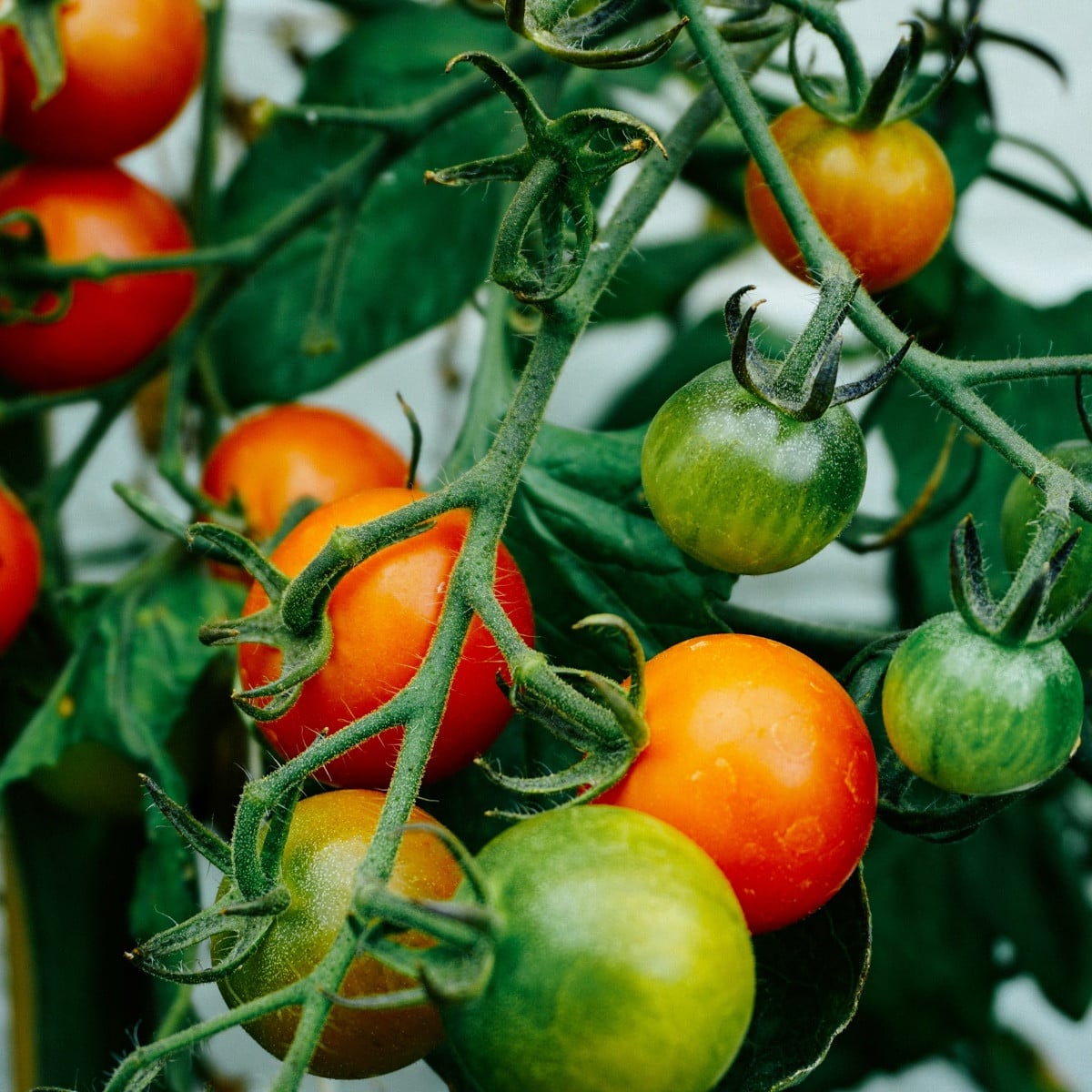
Liked 1 times
Tomato

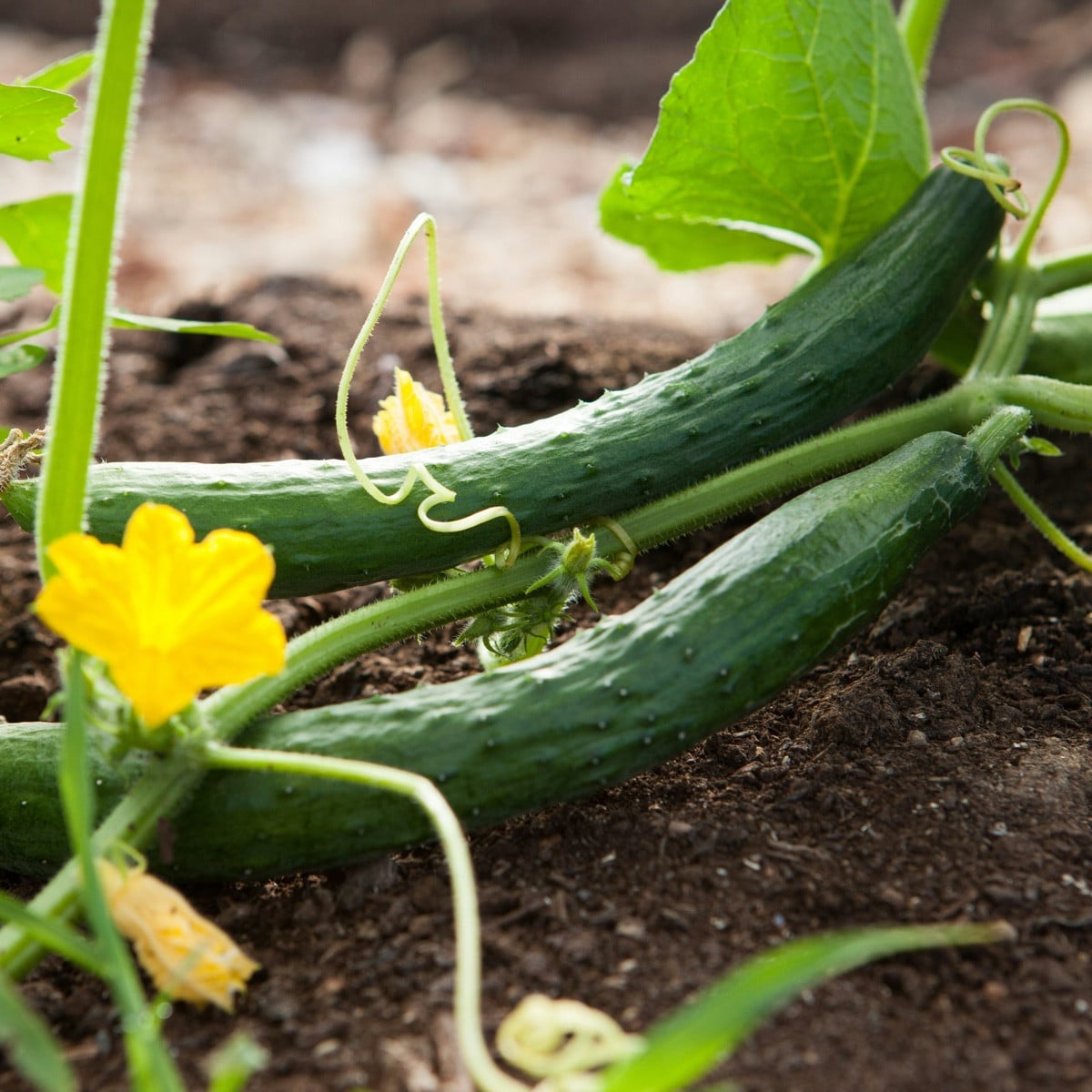
Liked 1 times
Gurke?🥒

Liked 2 times
test
Popular Articles


FAQ
Which plants are good companion plants for tomatoes in a mixed crop?
Good neighbours for tomatoes include beans, chilli, currants, garlic, carrots and spinach. You can find out more in the article.
Which plants should not be planted next to tomatoes?
Bad neighbours are aubergine, cucumbers, potatoes and fennel, as they promote diseases or create unfavourable growing conditions.
What are the advantages of mixed crops with tomatoes?
Mixed crops help to control pests naturally, promote soil health and improve plant diversity.
How does succession cropping affect tomatoes?
Good pre-crops include lettuce and kohlrabi, while good post-crops include beans and radishes. Tomatoes can also be grown in the same location for several years.