Know exactly when to sow, for your garden.
Enter your town. We'll build a personalised seeding calendar — 120+ vegetables matched to your climate zone and local frost dates.
Your Climate Zone
USDA Zone
Last frost
First frost
Growing season: days
Your Personal Seeding Calendar
() · Last frost: · First frost:
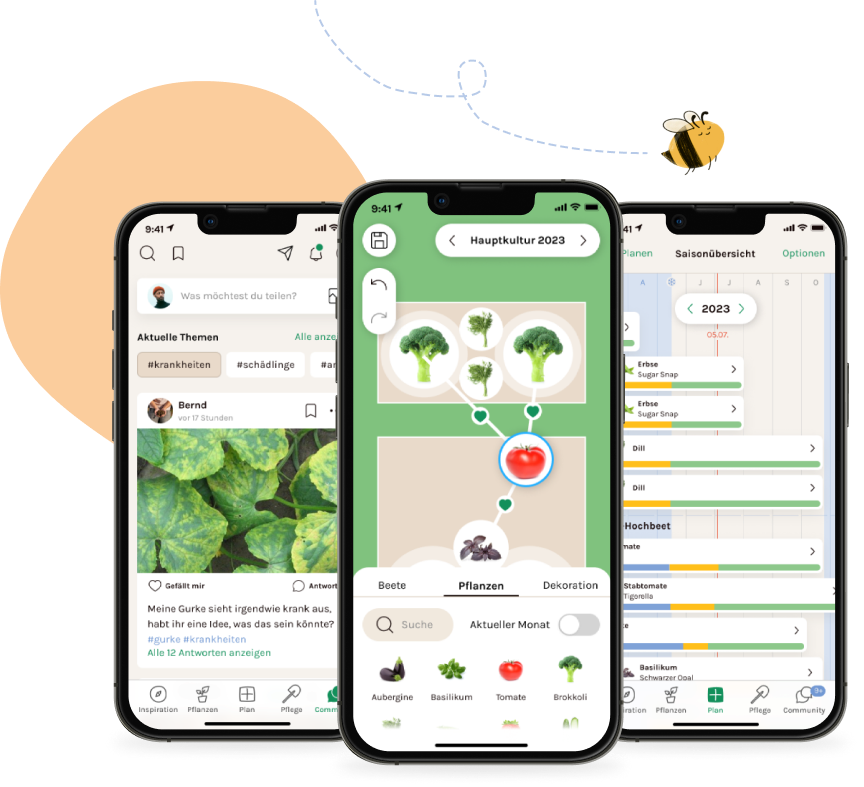
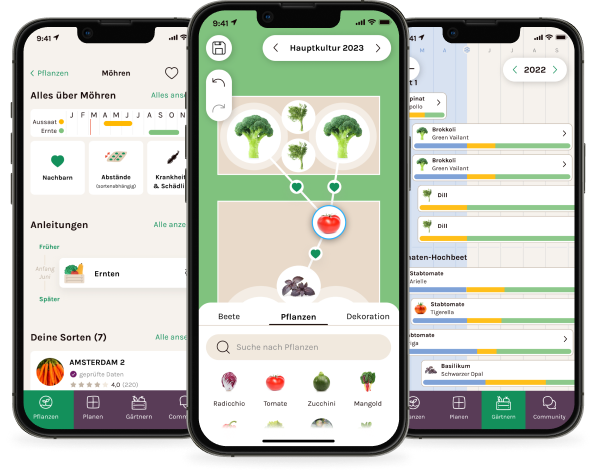
Plan your whole plot with Fryd
Turn your seeding calendar into a full bed plan — with companion planting, variety recommendations, and reminders.


Any Questions Left?
Why do I need my climate zone to plan seeding?
Your climate zone determines when the last spring frost and the first autumn frost happen on average. That tells you when it's safe to plant out frost-sensitive plants like tomatoes or beans, and when you should still be starting seeds undercover.
What is a USDA hardiness zone, and how does it compare to RHS H-ratings?
USDA hardiness zones group regions by their average annual minimum temperature, from Zone 1 (cold) to Zone 13 (subtropical). The RHS H-rating used in the UK is a complementary scale: roughly, USDA 8b ≈ RHS H4, USDA 9a ≈ RHS H4, USDA 9b ≈ RHS H3. We show both so you can plan with whichever scale you know best.
How accurate are the seeding times for my location?
The dates are based on the average frost windows for your climate zone and are a reliable starting point. Local factors like microclimate, elevation, or unusual weather can shift things by a week or two — always check the current local forecast as you go.