Garden Guide
Garden Guide for Madrid, Madrid Region & Central Spain
Madrid is in USDA Hardiness Zone 9a, characterised by hot, dry summers and mild winters. The soil is often calcareous (lime-rich) and can vary from loamy to sandy depending on the location, requiring good drainage. Do ensure adequate watering, especially during the dry months.
In Madrid, Zone 9a, you can start sowing after the last frost, typically in late March. You can sow garden lettuce from April to September and harvest it from April to November. It's best to start tomatoes off indoors from March to April and harvest them from July to October. Radishes are ready for sowing from April to September and can be harvested from June onwards.
Also applies to: Toledo, Guadalajara, Segovia, Ávila, Aranjuez, Alcalá de Henares
Plan your Madrid garden in the Fryd appPlanting Calendar
When to start indoors, sow outdoors, and harvest in Madrid.
| Crop | Jan | Feb | Mar | Apr | May | Jun | Jul | Aug | Sep | Oct | Nov | Dec |
|---|---|---|---|---|---|---|---|---|---|---|---|---|
| Tomato (Bush tomato) ●●● ●●○ ●●● | |
|
|
|
|
|
|
|
|
|||
| Tomato (Cocktail bush tomato) ●●● ●●○ ●●● | |
|
|
|
|
|
|
|
|
|||
| Pepper / Paprika ●●● ●●○ ●●● | |
|
|
|
|
|
|
|
|
|||
| Cucumber / Gherkin ●●● ●●○ ●●● | |
|
|
|
|
|
|
|||||
| Courgette / Zucchini ●●● ●●● ●●● | |
|
|
|
|
|
|
|
||||
| Carrots ●●● ●●○ ●○○ | |
|
|
|
|
|
|
|
|
|||
| Lettuce (Lettuce) ●●○ ●●○ ●●○ | |
|
|
|
|
|
|
|
|
|
||
| Strawberry ●●● ●●○ ●●● | |
|
|
|
|
|
|
|
|
|||
| Garlic ●●● ●●○ ●○○ | |
|
|
|
|
|
||||||
| Basil ●●● ●●○ ●●● | |
|
|
|
|
|
|
|
|
|||
| Bean (Dwarf bean) ●●● ●●○ ●○○ | |
|
|
|
|
|
|
|||||
| Bean (Runner bean) ●●● ●●○ ●○○ | |
|
|
|
|
|
|
|||||
| Pea ●●● ●●○ ●○○ | |
|
|
|
|
|
|
|
|
|||
| Potato ●●● ●●○ ●●● | |
|
|
|
|
|
|
|
|
|||
| Onion ●●● ●●○ ●●○ | |
|
|
|
|
|
|
|
||||
| Onion (Spring onion) ●●● ●●○ ●●○ | |
|
|
|
|
|
|
|
|
|
||
| Radishes ●●● ●●○ ●○○ | |
|
|
|
|
|
|
|
|
|||
| Beetroot ●●● ●●○ ●●○ | |
|
|
|
|
|
|
|
||||
| Chard ●●○ ●●○ ●●○ | |
|
|
|
|
|
|
|
|
|
||
| Spinach (Summer) ●○○ ●●● ●●○ | |
|
|
|
|
Planting Calendar Madrid
- Tomato (Bush tomato): Start indoors Mar - Apr, Sowing May - Jul, Harvest Jul - Nov (Light: high, Water: medium, Nutrients: high)
- Tomato (Cocktail bush tomato): Start indoors Mar - Apr, Sowing May - Jul, Harvest Jul - Nov (Light: high, Water: medium, Nutrients: high)
- Pepper / Paprika: Start indoors Feb - Mar, Sowing May - Jul, Harvest Jul - Nov (Light: high, Water: medium, Nutrients: high)
- Cucumber / Gherkin: Start indoors Apr - Jun, Sowing May - Jul, Harvest Jun - Oct (Light: high, Water: medium, Nutrients: high)
- Courgette / Zucchini: Start indoors Apr - Jun, Sowing May - Jul, Harvest Jul - Nov (Light: high, Water: high, Nutrients: high)
- Carrots: Sowing Mar - Jul, Harvest Jul - Nov (Light: high, Water: medium, Nutrients: low)
- Lettuce (Lettuce): Start indoors Feb - Sep, Sowing Mar - Oct, Harvest Apr - Nov (Light: medium, Water: medium, Nutrients: medium)
- Strawberry: Start indoors Feb - May, Sowing Mar - Jun, Harvest May - Oct (Light: high, Water: medium, Nutrients: high)
- Garlic: Sowing Sep - Nov, Harvest Jun - Aug (Light: high, Water: medium, Nutrients: low)
- Basil: Start indoors Mar - Jul, Sowing May - Jul, Harvest May - Nov (Light: high, Water: medium, Nutrients: high)
- Bean (Dwarf bean): Start indoors Apr - May, Sowing May - Jul, Harvest Jul - Oct (Light: high, Water: medium, Nutrients: low)
- Bean (Runner bean): Start indoors Apr - May, Sowing May - Jul, Harvest Jul - Oct (Light: high, Water: medium, Nutrients: low)
- Pea: Sowing Mar - Jul, Harvest May - Nov (Light: high, Water: medium, Nutrients: low)
- Potato: Start indoors Mar - Apr, Sowing Apr - Jun, Harvest Jun - Nov (Light: high, Water: medium, Nutrients: high)
- Onion: Start indoors Jan - Mar, Sowing Mar - Apr, Harvest Jul - Oct (Light: high, Water: medium, Nutrients: medium)
- Onion (Spring onion): Start indoors Jul - Oct, Sowing Sep - Dec, Harvest Jan - Dec (Light: high, Water: medium, Nutrients: medium)
- Radishes: Sowing Mar - Oct, Harvest May - Nov (Light: high, Water: medium, Nutrients: low)
- Beetroot: Start indoors Apr, Sowing May - Jul, Harvest Aug - Nov (Light: high, Water: medium, Nutrients: medium)
- Chard: Start indoors Feb - Apr, Sowing Apr - Jul, Harvest May - Nov (Light: medium, Water: medium, Nutrients: medium)
- Spinach (Summer): Sowing Mar - Jun, Harvest Apr - Jul (Light: low, Water: high, Nutrients: medium)
Based on Fryd planting data for Zone 9a, 2026.
Companion Planting for Madrid
Plants that thrive together in Madrid Region & Central Spain.
Some plants grow better side by side: they keep pests away, improve the soil or make the most of the space.
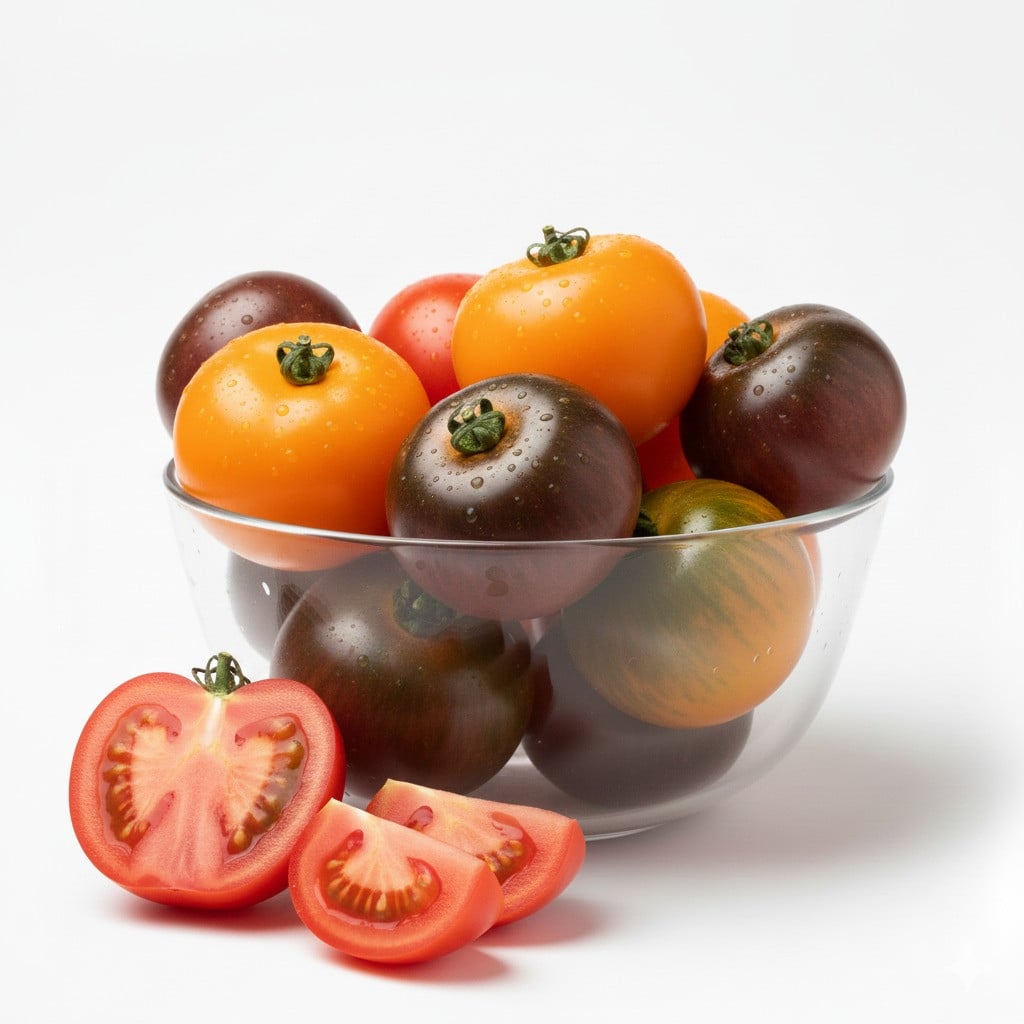 +
+
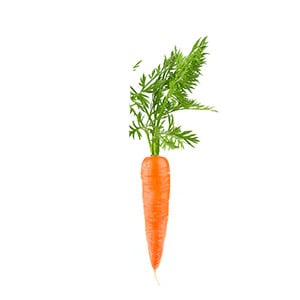
Tomato (Bush tomato) + Carrots
Carrots loosen the soil and act like a drainage system, which is good for tomatoes, as you don't like waterlogging.
 +
+
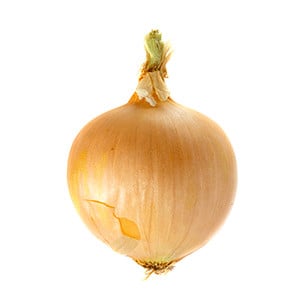
Tomato (Cocktail bush tomato) + Onion
Onions keep whiteflies and voles away from tomatoes, and you have different root depths, which avoids nutrient competition.
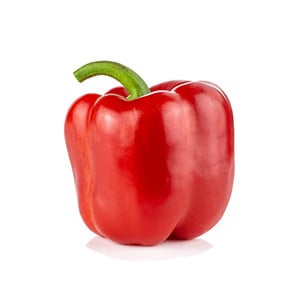 +
+
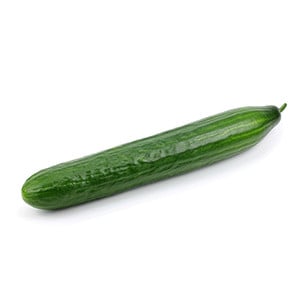
Pepper / Paprika + Cucumber / Gherkin
Your peppers and cucumbers have similar demands for light, water, and nutrients, and they thrive in high humidity.
 +
+
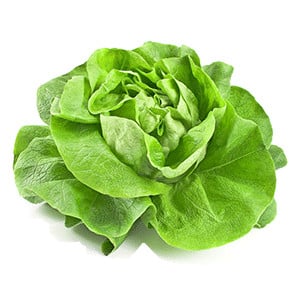
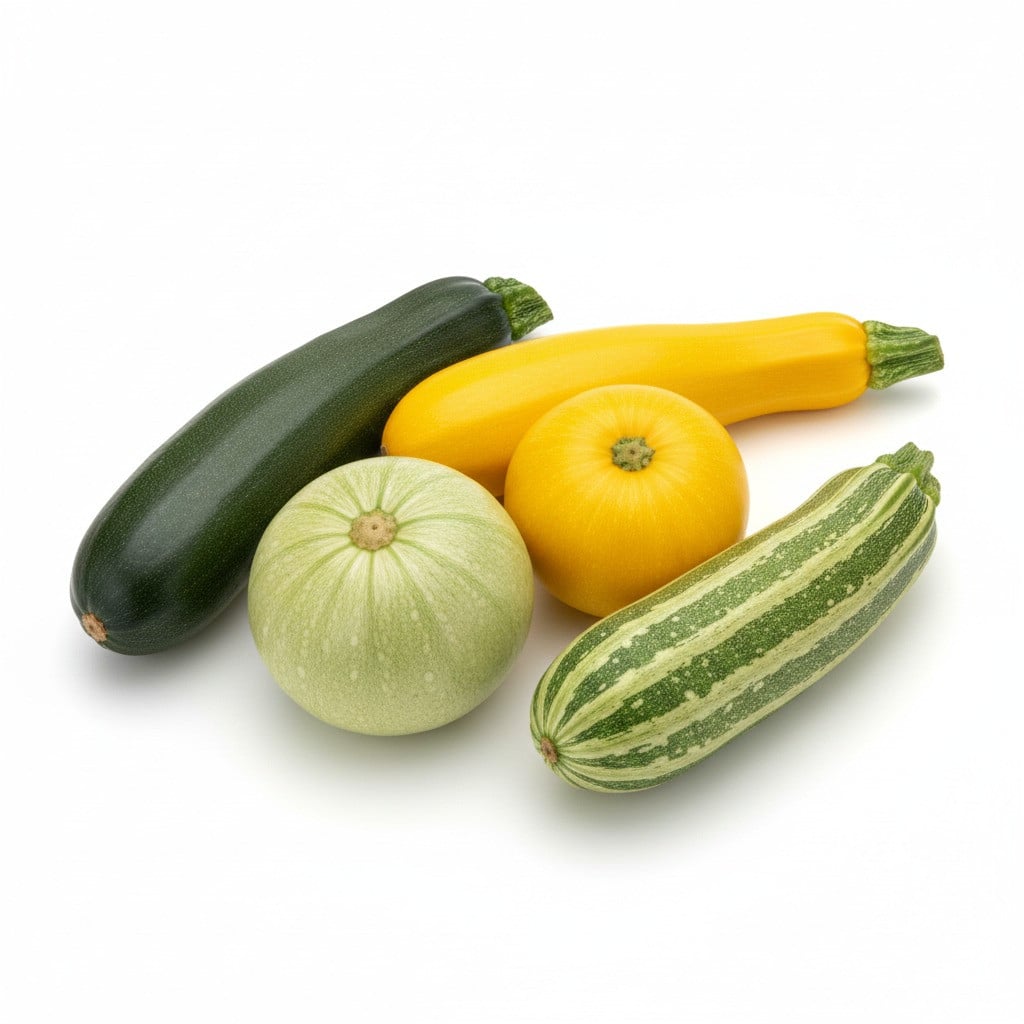
Courgette / Zucchini + Lettuce (Lettuce)
Lettuce covers the soil at the base of courgettes, acting like a mulch layer and making optimal use of the space.
 +
+
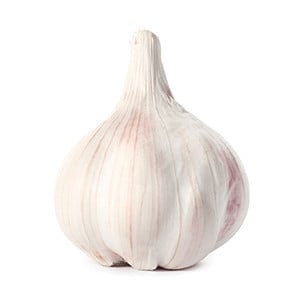
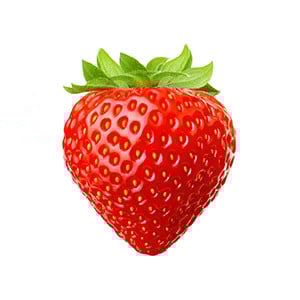
Strawberry + Garlic
Garlic, with its scent, keeps mites, bacteria, fungi, insects, and mice away from strawberries, and you complement each other in growth habit and root depth.
Plan companions visually
Drag and drop crops in the Fryd bed planner to see companion matches.
Try Fryd →Growing Tips for Madrid
Make the Most of Starting Indoors
Many plants, like garden lettuce (March to August) and Swiss chard (February to April), benefit from being started indoors. This protects young seedlings from temperature fluctuations and extends your harvesting season.
Ensure Consistent Watering
Due to the dry summers, a consistent water supply is crucial, especially for plants like radishes, which can become woody if they dry out. Do ensure you avoid waterlogging, but keep the soil moist.
Choose Your Spot Wisely
Many vegetables like onions, garlic, and tomatoes love a full-sun and warm spot. For frost-sensitive plants like courgette and cucumbers, choose a sheltered, wind-protected location.
Prepare Your Soil
Loose, humus-rich, and well-draining soil is the foundation for healthy plants. Radishes and onions, in particular, prefer these conditions to thrive optimally.
Common Pests & Diseases
Combat Aphids
If you have an aphid infestation, you can spray the plants with a strong stream of water or use a soapy solution. Encourage beneficial insects like ladybirds, which love to munch on aphids.
Keep Slugs Away
Protect your young plants from slugs by installing slug barriers or fences. Regularly remove slugs, especially after rain or in the evening.
Prevent Fungal Diseases
Ensure good air circulation between plants and avoid overhead watering to prevent fungal diseases like powdery mildew. Remove affected plant parts immediately.
Control Whiteflies
If you have a whitefly infestation, yellow sticky traps can help attract these pests. Spray the undersides of leaves with neem oil or a mild soapy solution.
Frequently Asked Questions
When should I plant tomatoes in Madrid?
You should start tomatoes indoors from March to April. Transplanting/sowing outdoors then takes place in June, and you can expect to harvest from July to October.
What hardiness zone is Madrid in?
Madrid is in USDA Hardiness Zone 9a. This means you can expect mild winters and hot, dry summers, which favours certain plants.
Which vegetables grow best in Madrid?
Many Mediterranean plants thrive here. These include garden lettuce (April-November), radishes (June-November), carrots (July-November), and tomatoes (July-October). Courgettes and cucumbers are also excellent choices.
When is the last frost in Madrid?
The last frost in Madrid is typically expected in late March. After that, you can plant frost-sensitive plants outdoors.