Pumpkin / Squash

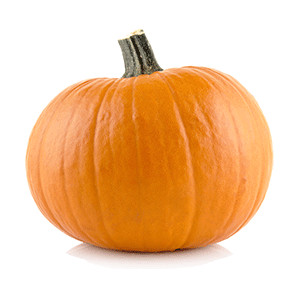
Pumpkin / Squash
Cucurbita maxima
Pflanzenfamilie
Curcurbits (Cucurbitaceae)
Saisonübersicht
Voranzucht
Pflanzung
Ernte
J
F
M
A
M
J
J
A
S
O
N
D
Details


Lichtbedarf
Sonnig

Wasserbedarf
Sehr feucht

Boden
Mittelschwer (lehmig)
Nährstoffbedarf
Hoch

Pflanzabstand
100 cm

Reihenabstand
150 cm

Saattiefe
3 cm
Anleitungen
Die Saison für diese Pflanze hat noch nicht begonnen. Die folgenden Anleitungen sind für die beginnende Saison.
Ende April

Propagating
Ende Mai

Harden
Anfang Juni

Mulch
alle zwei Wochen
Beschreibung
The pumpkin is an annual, water and nutrient-hungry crop. It loves warmth, is strongly tendril and can reach a considerable size. The pumpkin fruit is an armored berry, which differs in shape, color and size depending on the variety. Accordingly, it is divided into edible, fodder and ornamental pumpkins. Female and male flowers form on the same plant. Male flowers grow on long stalks, female flowers you can recognize by a thick round ovary at the base of the flower.
Herkunft:
Central and South America
Anbautipps
Bushy growing pumpkins require an area of approx. 1 m², climbing pumpkins approx. 3 m². We recommend pre-growing seedlings. An even supply of water and nutrients is important for healthy growth and abundant fruiting. In the event of drought or a lack of fertilization, the small pumpkins will partially die. At temperatures below 5°C, you should cover the entire plant with fleece. The fleece should be removed as soon as flowers form. Place a small wooden board, a flat stone or straw under the fruit to prevent the fruit from rotting on wet soil. You can harvest as soon as the pumpkin sounds hollow when you "tap" it. To harvest, cut the pumpkin at the stem, but leave part of the stem attached to the fruit. Otherwise the pumpkins will rot quickly and cannot be stored for as long.

Gute Nachbarn

Schlechte Nachbarn
Krankheiten
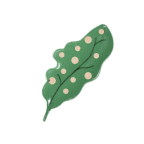
Downy mildew
Powdery mildews
Schädlinge
Land snails