Artichoke

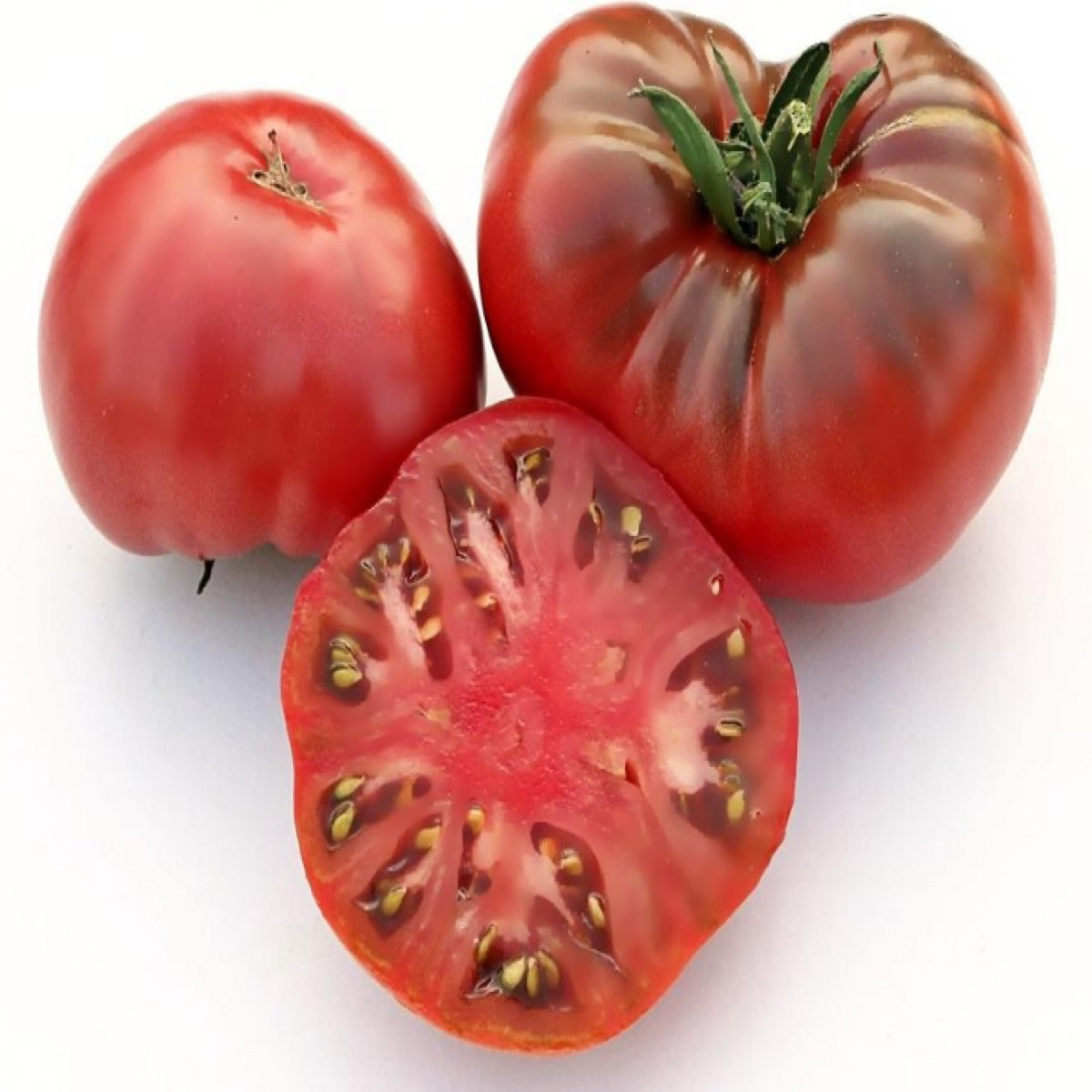
Artichoke
Cynara cardunculus
Pflanzenfamilie
Daisy family (Asteraceae)
Saisonübersicht
Voranzucht
Pflanzung
Ernte
Ernte
J
F
M
A
M
J
J
A
S
O
N
D
1. JAHR
FOLGEJAHRE
Details


Lichtbedarf
Sonnig

Wasserbedarf
Sehr feucht

Boden
Leicht (sandig)
Nährstoffbedarf
Hoch

Pflanzabstand
100 cm

Reihenabstand
100 cm

Saattiefe
1 cm
Anleitungen
Ende März

Weeding
alle zwei Wochen
Anfang April

Harden
Mitte April

Planting
Beschreibung
The artichoke is a thistle-like cultivated plant of the composite family (Asteraceae). The artichoke group of varieties is cultivated for its edible, budded inflorescences and eaten as a flowering vegetable. Test suggested
Herkunft:
Mediterranean region, North Africa, former Persia
Anbautipps
For artichokes, it is best to start them in a warm place. From mid-January, the plants can be sown in a light, warm place in a seed tray with humus-rich, loose soil. If you soak the seeds in warm water for a day beforehand, they will germinate more quickly. A lot of light is required during the juvenile phase so that the plants do not shoot upwards but remain short and compact. As soon as the seedlings are too dense in their seed tray, you can prick them out and transplant them individually into pots. When the young plants have three to five leaves, they are ready to be planted in a sunny bed with loose soil. Work three to five liters of compost per square meter into the bed beforehand. You should always water sufficiently during cultivation. In the first year, artichokes only develop a few of the coveted buds. From the second year onwards, the harvest is larger, but you need to get the perennials through the cold season well. In a place protected from the wind, they can survive frost down to minus ten degrees. When overwintering outdoors, tie the leaf heads tightly together or cut off all the leaves. Then put a wicker basket over the plants and protect them all around with dry straw or leaves, piled up to about a hand's height. It is best to dig up the rhizomes, place them in boxes or large pots in damp sand and put them in a frost-free, but preferably cool room. Remove the covers from the beginning of April of the following year. Artichokes that have overwintered indoors are then planted out again. With annual cultivated varieties, you can save yourself the winter protection measures and simply grow new plants in spring.

Gute Nachbarn
Broccoli
Brussels sprouts
Cabbage (Cabbage)
Cabbage (Savoy cabbage)
Cauliflower
Chickpea
Collard greens (Kale)
Collard greens (Tuscan kale / Dinosaur kale / Palm tree kale)
Common marigold
Fennel
Florence fennel / Finocchio
Kohlrabi / German turnip / Turnip cabbage
Lettuce (Lettuce)
Napa cabbage / Chinese cabbage
Oregano
Pak Choi

Schlechte Nachbarn
Krankheiten
Keine Krankheiten vorhanden
Schädlinge
Land snails
Aphids