Garden Guide
Garden Guide for London, Southeast England
London sits in climate zone 9a, which means you'll enjoy mild winters and moderate summers – perfect for a long growing season! While the soil is often loamy, it can really vary from sandy to heavy clay depending on where you are. That's why getting your soil ready with plenty of compost is super important.
Here in London, in climate zone 9a, you can enjoy frost-free gardening from late March right through to late November! Get a head start in spring with leafy greens like garden lettuce (sow indoors March-August, harvest April-November) and quick-growing radishes (sow April-September, harvest June-October). Just remember to wait until after the last frost to plant out tender plants like courgettes (start indoors April-May, harvest July-October) and tomatoes (start indoors March-April, harvest July-October).
Also applies to: Reading, Brighton, Cambridge, Oxford, Canterbury, Southampton
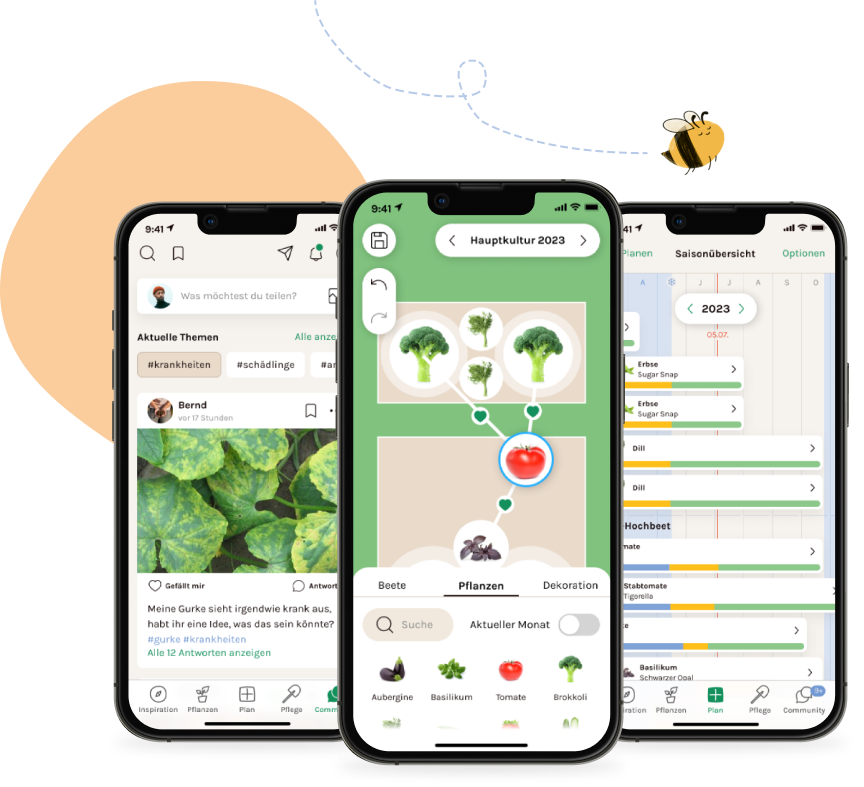
Plan your London garden in the Fryd appPlanting Calendar
When to start indoors, sow outdoors, and harvest in London.
| Crop | Jan | Feb | Mar | Apr | May | Jun | Jul | Aug | Sep | Oct | Nov | Dec |
|---|---|---|---|---|---|---|---|---|---|---|---|---|
| Carrots ●●● ●●○ ●○○ | |
|
|
|
|
|
|
|
|
|||
| Lettuce (Lettuce) ●●○ ●●○ ●●○ | |
|
|
|
|
|
|
|
|
|
||
| Tomato (Bush tomato) ●●● ●●○ ●●● | |
|
|
|
|
|
|
|
||||
| Tomato (Cocktail bush tomato) ●●● ●●○ ●●● | |
|
|
|
|
|
|
|
||||
| Cucumber / Gherkin ●●● ●●○ ●●● | |
|
|
|
|
|
|
|||||
| Courgette / Zucchini ●●● ●●● ●●● | |
|
|
|
|
|
|
|||||
| Pepper / Paprika ●●● ●●○ ●●● | |
|
|
|
|
|
|
|
||||
| Bean (Dwarf bean) ●●● ●●○ ●○○ | |
|
|
|
|
|
|
|||||
| Pea ●●● ●●○ ●○○ | |
|
|
|
|
|
|
|
||||
| Strawberry ●●● ●●○ ●●● | |
|
|
|
|
|
|
|
|
|||
| Garlic ●●● ●●○ ●○○ | |
|
|
|
|
|
||||||
| Basil ●●● ●●○ ●●● | |
|
|
|
|
|
|
|
||||
| Radishes ●●● ●●○ ●○○ | |
|
|
|
|
|
|
|
||||
| Beetroot ●●● ●●○ ●●○ | |
|
|
|
|
|
|
|||||
| Onion ●●● ●●○ ●●○ | |
|
|
|
|
|
|
|||||
| Onion (Spring onion) ●●● ●●○ ●●○ | |
|
|
|
|
|
|
|
|
|
||
| Chard ●●○ ●●○ ●●○ | |
|
|
|
|
|
|
|
|
|
||
| Spinach (Summer) ●○○ ●●● ●●○ | |
|
|
|
|
|||||||
| Bean (Runner bean) ●●● ●●○ ●○○ | |
|
|
|
|
|
|
|||||
| Chili ●●● ●●○ ●●● | |
|
|
|
|
|
|
|
|
|
Planting Calendar London
- Carrots: Sowing Mar - Jul, Harvest Jul - Nov (Light: high, Water: medium, Nutrients: low)
- Lettuce (Lettuce): Start indoors Feb - Sep, Sowing Mar - Oct, Harvest Apr - Nov (Light: medium, Water: medium, Nutrients: medium)
- Tomato (Bush tomato): Start indoors Mar - Apr, Sowing May - Jul, Harvest Jul - Oct (Light: high, Water: medium, Nutrients: high)
- Tomato (Cocktail bush tomato): Start indoors Mar - Apr, Sowing May - Jul, Harvest Jul - Oct (Light: high, Water: medium, Nutrients: high)
- Cucumber / Gherkin: Start indoors Apr - Jun, Sowing May - Jul, Harvest Jun - Oct (Light: high, Water: medium, Nutrients: high)
- Courgette / Zucchini: Start indoors Apr - Jun, Sowing May - Jul, Harvest Jul - Oct (Light: high, Water: high, Nutrients: high)
- Pepper / Paprika: Start indoors Feb - Mar, Sowing May - Jul, Harvest Jul - Oct (Light: high, Water: medium, Nutrients: high)
- Bean (Dwarf bean): Start indoors Apr - May, Sowing May - Jul, Harvest Jul - Oct (Light: high, Water: medium, Nutrients: low)
- Pea: Sowing Mar - Jul, Harvest May - Oct (Light: high, Water: medium, Nutrients: low)
- Strawberry: Start indoors Feb - May, Sowing Mar - Jun, Harvest May - Oct (Light: high, Water: medium, Nutrients: high)
- Garlic: Sowing Sep - Nov, Harvest Jun - Aug (Light: high, Water: medium, Nutrients: low)
- Basil: Start indoors Mar - Jul, Sowing May - Jul, Harvest May - Oct (Light: high, Water: medium, Nutrients: high)
- Radishes: Sowing Mar - Oct, Harvest May - Oct (Light: high, Water: medium, Nutrients: low)
- Beetroot: Start indoors Apr, Sowing May - Jul, Harvest Aug - Oct (Light: high, Water: medium, Nutrients: medium)
- Onion: Start indoors Jan - Mar, Sowing Mar - Apr, Harvest Jul - Sep (Light: high, Water: medium, Nutrients: medium)
- Onion (Spring onion): Start indoors Jul - Oct, Sowing Sep - Dec, Harvest Jan - Dec (Light: high, Water: medium, Nutrients: medium)
- Chard: Start indoors Feb - Apr, Sowing Apr - Jul, Harvest May - Nov (Light: medium, Water: medium, Nutrients: medium)
- Spinach (Summer): Sowing Mar - Jun, Harvest Apr - Jul (Light: low, Water: high, Nutrients: medium)
- Bean (Runner bean): Start indoors Apr - May, Sowing May - Jul, Harvest Jul - Oct (Light: high, Water: medium, Nutrients: low)
- Chili: Start indoors Jan - Apr, Sowing May - Jul, Harvest Aug - Oct (Light: high, Water: medium, Nutrients: high)
Based on Fryd planting data for Zone 9a, 2026.
Companion Planting for London
Plants that thrive together in Southeast England.
Some plants grow better side by side: they keep pests away, improve the soil or make the most of the space. More on companion planting →
 +
+
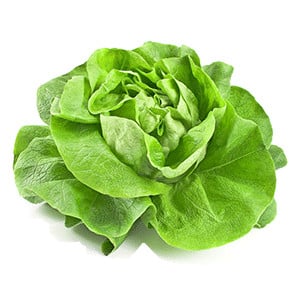
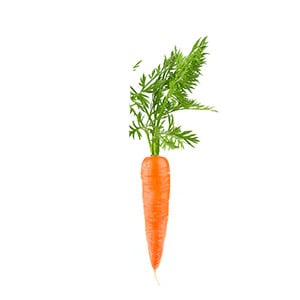
Lettuce covers the soil around your carrots, retains moisture, and protects against weeds because it grows quickly.
 +
+
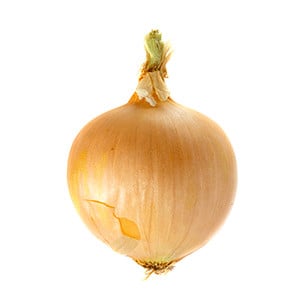
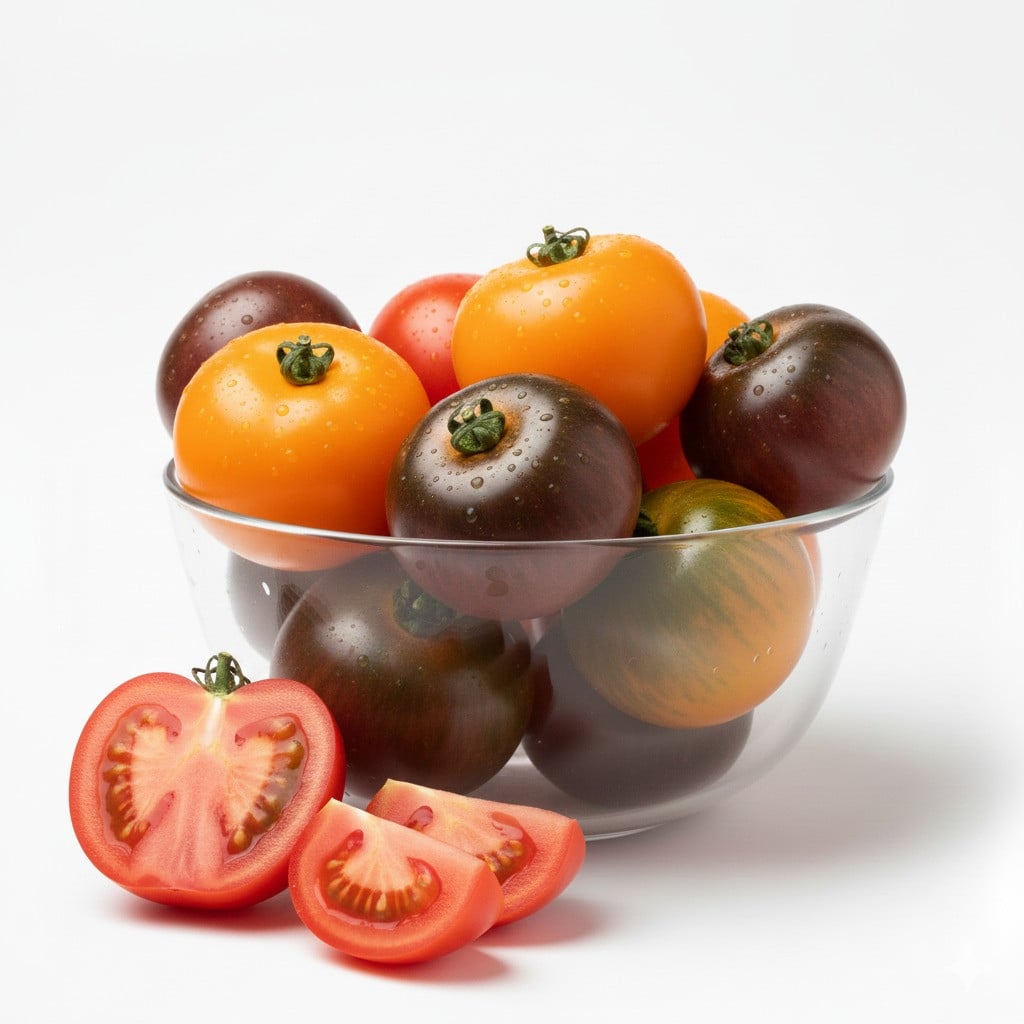
Your onions keep pests like whiteflies away and improve the flavor of your tomatoes.
 +
+
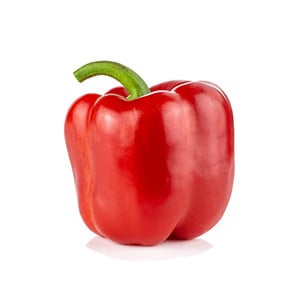
Tomato (Cocktail bush tomato) + Pepper / Paprika
Tomatoes and peppers are great companions because their nutrient needs are similar, and you both love lots of warmth and sun.
 +
+
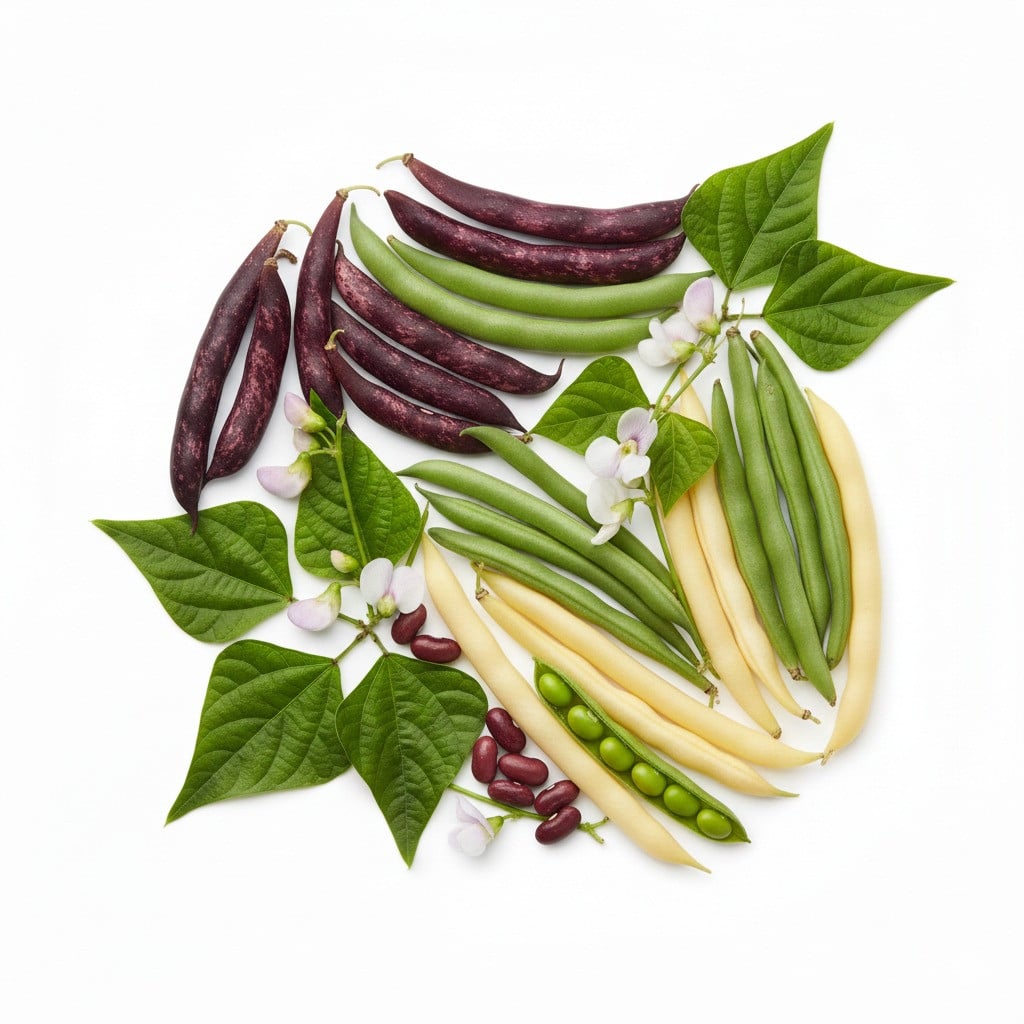
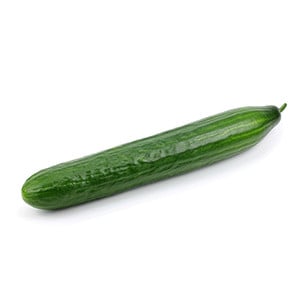
Cucumber / Gherkin + Bean (Dwarf bean)
Bush beans fix nitrogen in the soil, which benefits your cucumbers, and you both have similar needs for light and moisture.
 +
+
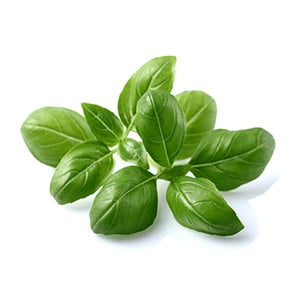
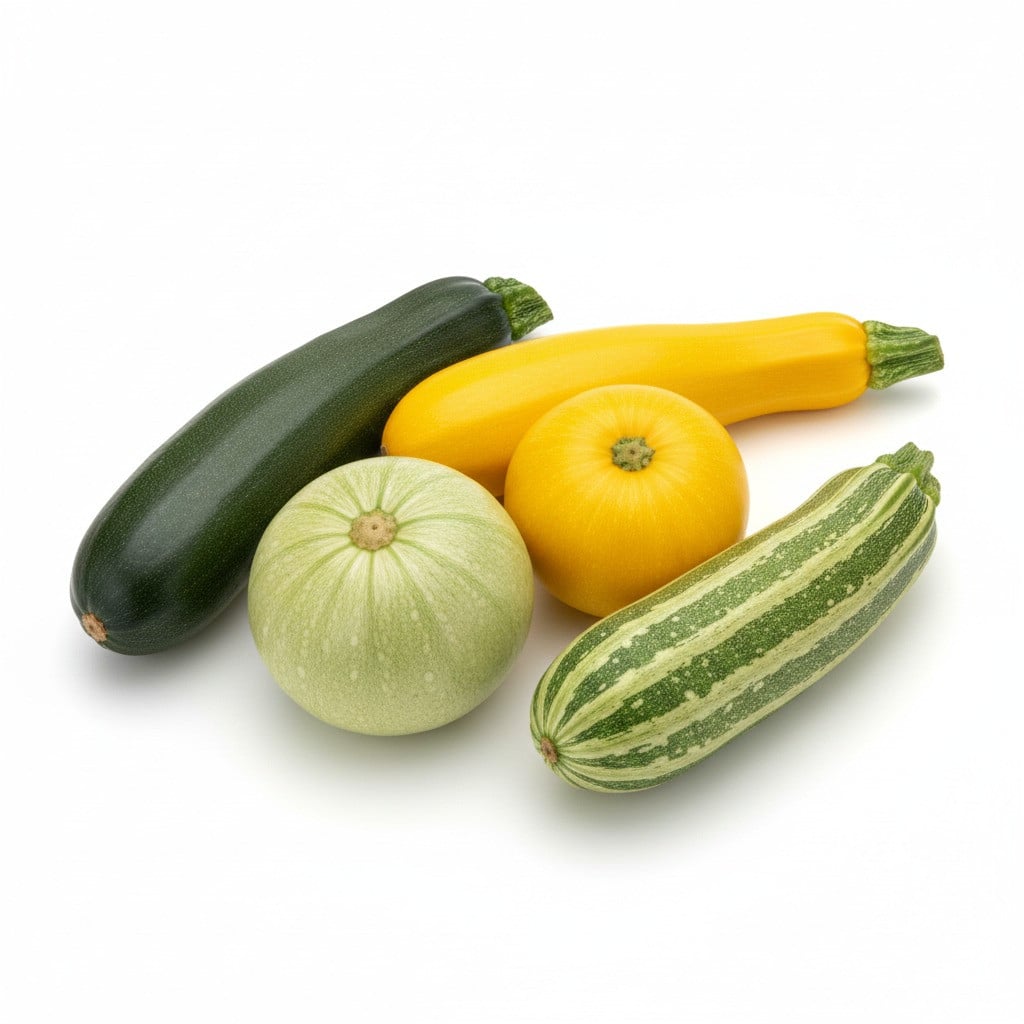
Basil keeps powdery mildew, whiteflies, and aphids away from zucchini, thus promoting your health.
Plan companions visually
Drag and drop crops in the Fryd bed planner to see companion matches.
Try Fryd →Growing Tips for London
Get a Head Start by Starting Seeds Indoors
Lots of crops, like garden lettuce or Swiss chard, really benefit from an early start indoors from March. This helps extend your harvest season and keeps those young plants safe from any unpredictable weather. Make sure to use a fine seed compost and just gently press the seeds in.
Soil Preparation is Key
For the best growth, plants like radishes, onions, and garlic absolutely love loose, humus-rich, and well-drained soil. Make sure to avoid waterlogging and dig in plenty of compost before you sow to really improve that soil structure.
Ensure Consistent Moisture
Fast-growing plants like radishes, and thirsty crops such as spinach and courgettes, really need a steady supply of water. If it gets too dry, radishes can turn woody, and your other plants won't yield as much. Always keep the soil moist, but never soggy.
Protect Tender Plants from Frost
Make sure you hold off planting out tender crops like courgettes, beans, tomatoes, peppers, and basil until after the risk of late frosts has passed, usually around early April. Starting these plants indoors beforehand is a great way to give them a strong head start!
Common Pests & Diseases
Prevent Slug Infestations
Slugs can be a real pain, especially for tender young lettuces and when it's damp. Try collecting them regularly, setting up slug barriers, or using iron phosphate-based slug pellets – they're safe for pets and hedgehogs!
Naturally Combat Aphids
If you spot aphids, you can often blast them off with a strong jet of water or spray them with a simple soapy solution (make sure it's just plain soft soap!). Also, encourage helpful insects like ladybirds and lacewings by planting insect-friendly flowers in your garden.
Identify and Tackle Powdery Mildew
Powdery mildew looks like a white, powdery coating on leaves, especially common on cucumbers and courgettes. Snip off any affected leaves right away and make sure your plants have good air circulation. A spray of milk and water mixed together can also help keep the fungus in check.
Control Wireworms in the Soil
Wireworms can cause damage to roots and tubers. Keep your soil regularly loosened and pull out any weeds that might be giving them a hiding spot. Planting green manures like mustard or oil radish can also help reduce their numbers, as these plants tend to deter them.
Frequently Asked Questions
When can I plant tomatoes in London?
Tomatoes are quite sensitive to frost, so in London, it's best to wait until after the last frost to plant them outdoors, usually from April onwards. You can get a head start by sowing seeds indoors from March to April to grow strong young plants.
What climate zone is London in?
London is in climate zone 9a. This means you can generally expect mild winters, with temperatures rarely dipping below -6.7 °C (20 °F), and a lovely long growing season for a wide variety of plants.
Which vegetables grow particularly well in London?
Lots of veggies absolutely thrive in London! We especially recommend garden lettuce, radishes, spinach, Swiss chard, and carrots – they're all well-suited to our climate and offer a long, rewarding harvest season.
When is the last frost in London?
The last frost in London is usually expected around the end of March. After that, you can gradually start planting out your hardier crops, but for those really tender plants, it's best to hold off until early April to be safe.