Garden Guide
Garden Guide for Edinburgh, Scotland
Edinburgh is in USDA Hardiness Zone 9a and benefits from a maritime influence, which brings mild winters and cool summers. The soil is often clayey but can vary depending on the location; good drainage and enriching with compost are important. Rainfall is distributed throughout the year, which helps maintain consistent moisture.
In Edinburgh, USDA Hardiness Zone 9a, you can start sowing seeds outdoors from early April after the last frost. You can pre-grow (start indoors) lettuce from March to September and harvest from May to November. Sow radishes from April to September for a harvest from June to October, while potatoes can be chitted in April and harvested from July to October. Frost-sensitive plants like tomatoes should only be moved outdoors after early April.
Also applies to: Glasgow, Dundee, Perth, Stirling, Falkirk, Aberdeen
Plan your Edinburgh garden in the Fryd appPlanting Calendar
When to start indoors, sow outdoors, and harvest in Edinburgh.
| Crop | Jan | Feb | Mar | Apr | May | Jun | Jul | Aug | Sep | Oct | Nov | Dec |
|---|---|---|---|---|---|---|---|---|---|---|---|---|
| Carrots ●●● ●●○ ●○○ | |
|
|
|
|
|
|
|
||||
| Lettuce (Lettuce) ●●○ ●●○ ●●○ | |
|
|
|
|
|
|
|
|
|||
| Tomato (Bush tomato) ●●● ●●○ ●●● | |
|
|
|
|
|
|
|
||||
| Tomato (Cocktail bush tomato) ●●● ●●○ ●●● | |
|
|
|
|
|
|
|
||||
| Cucumber / Gherkin ●●● ●●○ ●●● | |
|
|
|
|
|
||||||
| Courgette / Zucchini ●●● ●●● ●●● | |
|
|
|
|
|
|
|||||
| Pepper / Paprika ●●● ●●○ ●●● | |
|
|
|
|
|
|
|||||
| Potato ●●● ●●○ ●●● | |
|
|
|
|
|
|
|
||||
| Radishes ●●● ●●○ ●○○ | |
|
|
|
|
|
|
|
|
|||
| Onion ●●● ●●○ ●●○ | |
|
|
|
|
|
|
|||||
| Bean (Dwarf bean) ●●● ●●○ ●○○ | |
|
|
|
|
|
||||||
| Pea ●●● ●●○ ●○○ | |
|
|
|
|
|
|
|||||
| Basil ●●● ●●○ ●●● | |
|
|
|
|
|
|
|||||
| Beetroot ●●● ●●○ ●●○ | |
|
|
|
|
|
|
|
||||
| Strawberry ●●● ●●○ ●●● | |
|
|
|
|
|
|
|
||||
| Kohlrabi / German turnip / Turnip cabbage ●●● ●●○ ●●○ | |
|
|
|
|
|
|
|
||||
| Garlic ●●● ●●○ ●○○ | |
|
|
|
|
|
||||||
| Pumpkin / Squash ●●● ●●● ●●● | |
|
|
|
|
|
|
|||||
| Broccoli ●●● ●●● ●●● | |
|
|
|
|
|
|
|
||||
| Chard ●●○ ●●○ ●●○ | |
|
|
|
|
|
|
|
|
|
Planting Calendar Edinburgh
- Carrots: Sowing Apr - Jul, Harvest Jul - Nov (Light: high, Water: medium, Nutrients: low)
- Lettuce (Lettuce): Start indoors Mar - Sep, Sowing Apr - Oct, Harvest Apr - Nov (Light: medium, Water: medium, Nutrients: medium)
- Tomato (Bush tomato): Start indoors Mar - May, Sowing Jun - Jul, Harvest Jul - Oct (Light: high, Water: medium, Nutrients: high)
- Tomato (Cocktail bush tomato): Start indoors Mar - May, Sowing Jun - Jul, Harvest Jul - Oct (Light: high, Water: medium, Nutrients: high)
- Cucumber / Gherkin: Start indoors May - Jun, Sowing Jun - Jul, Harvest Jul - Oct (Light: high, Water: medium, Nutrients: high)
- Courgette / Zucchini: Start indoors Apr - Jun, Sowing Jun - Jul, Harvest Jul - Oct (Light: high, Water: high, Nutrients: high)
- Pepper / Paprika: Start indoors Mar - Apr, Sowing Jun - Jul, Harvest Aug - Oct (Light: high, Water: medium, Nutrients: high)
- Potato: Start indoors Mar - Apr, Sowing Apr - Jul, Harvest Jul - Oct (Light: high, Water: medium, Nutrients: high)
- Radishes: Sowing Mar - Oct, Harvest Jun - Nov (Light: high, Water: medium, Nutrients: low)
- Onion: Start indoors Feb - Mar, Sowing Mar - May, Harvest Aug - Oct (Light: high, Water: medium, Nutrients: medium)
- Bean (Dwarf bean): Start indoors May - Jun, Sowing Jun - Jul, Harvest Jul - Oct (Light: high, Water: medium, Nutrients: low)
- Pea: Sowing Apr - Jul, Harvest Jun - Oct (Light: high, Water: medium, Nutrients: low)
- Basil: Start indoors Apr - Jul, Sowing Jun - Aug, Harvest Jun - Oct (Light: high, Water: medium, Nutrients: high)
- Beetroot: Start indoors Mar - Apr, Sowing Apr - Jul, Harvest Jul - Oct (Light: high, Water: medium, Nutrients: medium)
- Strawberry: Start indoors Mar - May, Sowing Apr - Jul, Harvest Jun - Oct (Light: high, Water: medium, Nutrients: high)
- Kohlrabi / German turnip / Turnip cabbage: Start indoors Mar - Jun, Sowing Apr - Jul, Harvest Jun - Oct (Light: high, Water: medium, Nutrients: medium)
- Garlic: Sowing Sep - Nov, Harvest Jun - Aug (Light: high, Water: medium, Nutrients: low)
- Pumpkin / Squash: Start indoors Apr - Jun, Sowing Jun - Jul, Harvest Sep - Nov (Light: high, Water: high, Nutrients: high)
- Broccoli: Start indoors Mar - May, Sowing Jun - Jul, Harvest Jul - Oct (Light: high, Water: high, Nutrients: high)
- Chard: Start indoors Feb - May, Sowing Apr - Jul, Harvest Jun - Nov (Light: medium, Water: medium, Nutrients: medium)
Based on Fryd planting data for Zone 9a, 2026.
Companion Planting for Edinburgh
Plants that thrive together in Scotland.
Some plants grow better side by side: they keep pests away, improve the soil or make the most of the space. More on companion planting →
 +
+
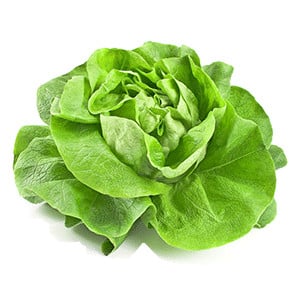
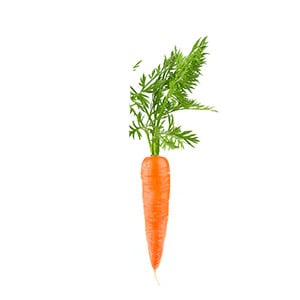
Lettuce covers the soil around your carrots, retains moisture, and protects against weeds because it grows quickly.
 +
+
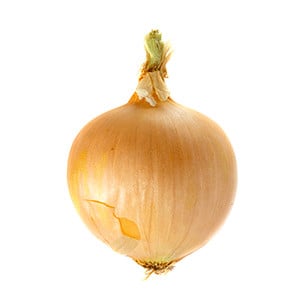
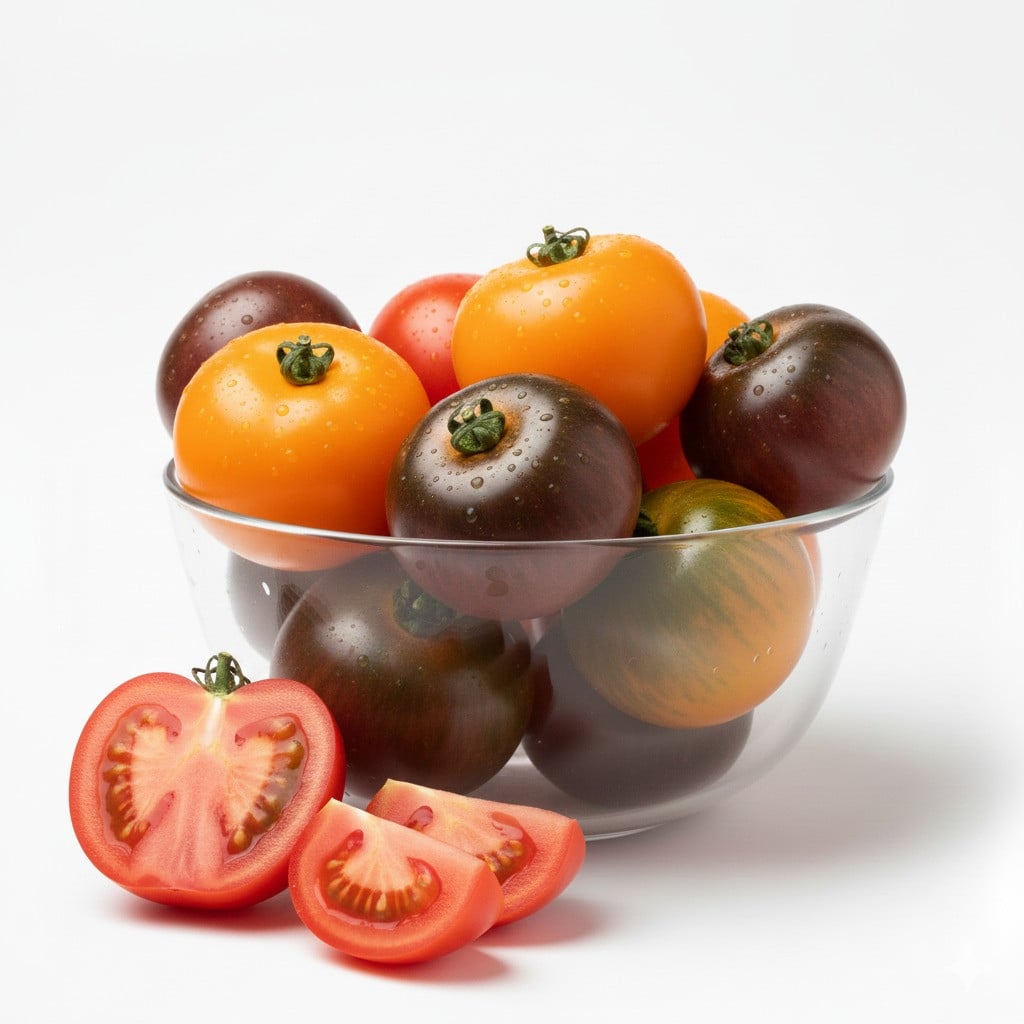
Your onions keep pests like whiteflies away and improve the flavor of your tomatoes.
 +
+
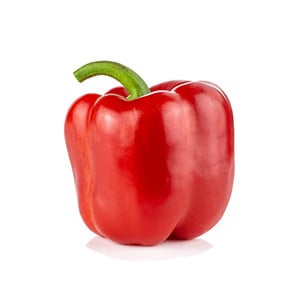
Tomato (Cocktail bush tomato) + Pepper / Paprika
Tomatoes and peppers are great companions because their nutrient needs are similar, and you both love lots of warmth and sun.
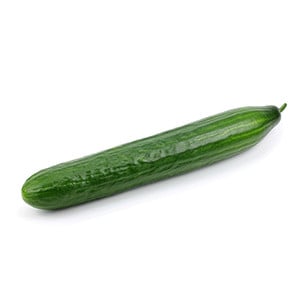 +
+
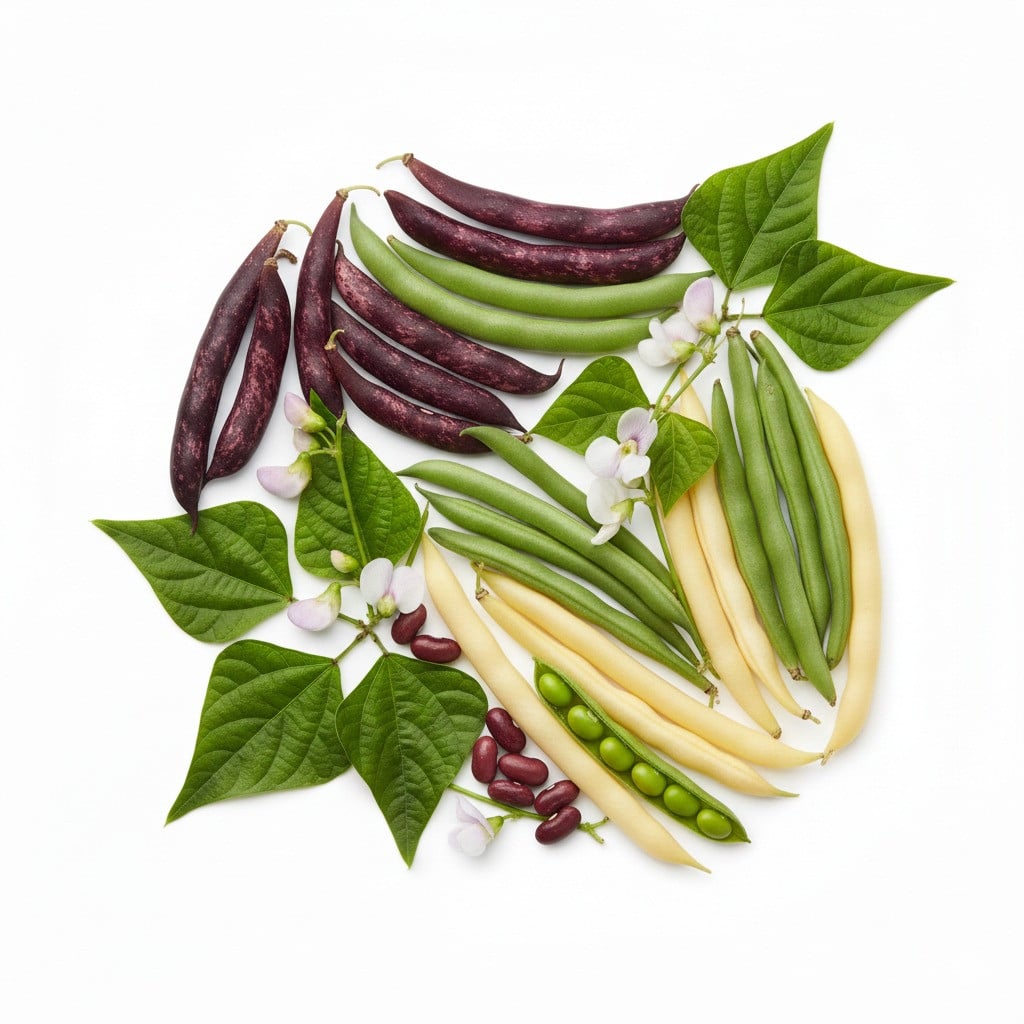
Cucumber / Gherkin + Bean (Dwarf bean)
Bush beans fix nitrogen in the soil, which benefits your cucumbers, and you both have similar needs for light and moisture.
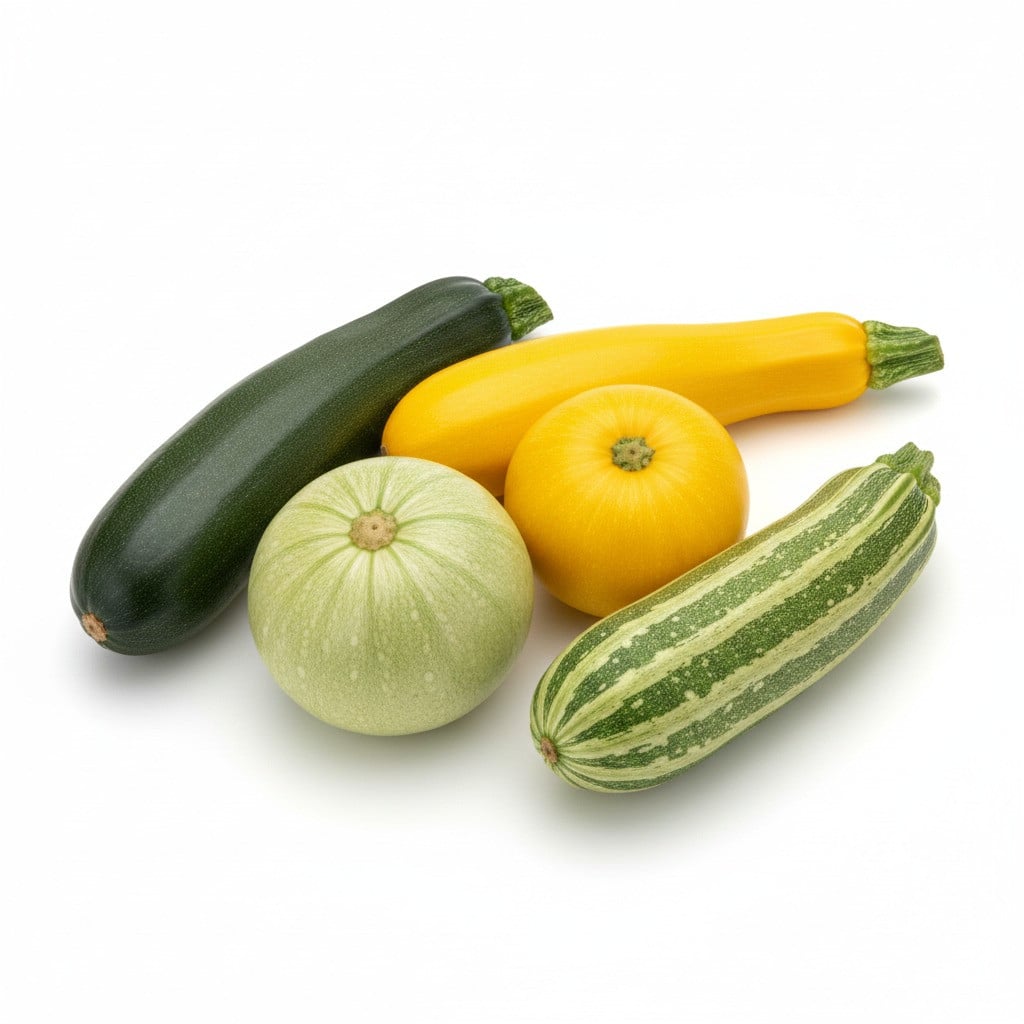 +
+
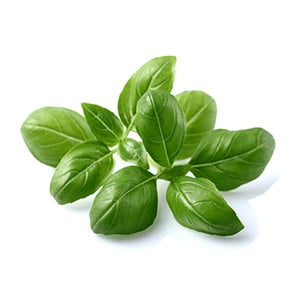
Basil keeps powdery mildew, whiteflies, and aphids away from zucchini, thus promoting your health.
Plan companions visually
Drag and drop crops in the Fryd bed planner to see companion matches.
Try Fryd →Growing Tips for Edinburgh
Early Start for Lettuce and Chard
Take advantage of starting lettuce and chard from March indoors. This way, you can extend your harvest season and enjoy fresh veggies early in the year. Use fine seed-starting compost and press the seeds in lightly.
Soil Preparation for Root Vegetables
Radishes and carrots prefer humus-rich, loose, and well-draining soil. Good soil preparation is crucial to avoid woody or deformed roots. Loosen the soil deeply and work in compost.
Consistent Moisture is Key
Many plants like radishes, broccoli, and squash need a consistent water supply, especially during growth. If conditions are too dry, radishes can become hot, and brassicas will suffer from stress. Always keep the soil moist, but avoid waterlogging.
Protecting Frost-Sensitive Plants
Although Edinburgh has mild winters, late frosts are possible until early April. Squash, zucchini, beans, and tomatoes are frost-sensitive and should only be planted outdoors after the last frosts. Starting them indoors is highly recommended here.
Common Pests & Diseases
Slug Infestation
Slugs are a common nuisance in humid climates like Edinburgh, especially for lettuce and young seedlings. Collect them regularly, set up slug barriers, or use iron phosphate-based slug pellets, which are safe for pets and hedgehogs.
Aphids on Vegetables
Aphids can infest many vegetable varieties, especially on young shoots. Rinse them off with a strong jet of water or encourage natural predators like ladybugs. A mixture of water and soft soap can also help.
Blight on Tomatoes and Potatoes
Blight is a fungal disease that appears in humid summers. Ensure adequate spacing between plants and remove affected leaves immediately. Choose resistant varieties and always water the root area, not the leaves.
Cabbage Root Fly on Brassicas
The cabbage root fly lays its eggs at the base of brassica plants like broccoli and kohlrabi. Protect your plants with insect netting or place felt cabbage collars around the stem to prevent egg-laying. Companion planting with celery can also help.
Frequently Asked Questions
When can I plant tomatoes in Edinburgh?
Tomatoes are frost-sensitive and should only be planted outdoors in Edinburgh after the last frost, typically from early April. You can start them indoors from April to May, with harvesting then taking place from August to October.
What hardiness zone is Edinburgh in?
Edinburgh is in USDA Hardiness Zone 9a. This means you can benefit from mild winters, but you should still watch out for late frosts in spring.
Which vegetables grow best in Edinburgh?
Many cold-tolerant vegetables thrive here, including lettuce, chard, radishes, carrots, and potatoes. Broccoli and kohlrabi are also well-suited. Pay attention to the specific planting times for each variety.
When is the last frost in Edinburgh?
The last frost in Edinburgh is typically expected around early April. It's advisable to only plant frost-sensitive plants outdoors after this time to avoid damage.