Garden Guide
Garden Guide for Berlin, Berlin & Brandenburg
Berlin sits in a temperate climate zone with a touch of continental influence. Summers here are often warm to hot, while winters are cool. The soil in Berlin is typically sandy and well-draining, thanks to those ancient glacial deposits. This is great for drainage, but it also means your plants might get thirsty quickly!
Here in Berlin, in Climate Zone 7b, you can usually start sowing seeds outdoors from early April, once the last frost has passed. Many crops thrive here, like garden lettuce (start indoors March-September, harvest May-October) and radishes (sow/germinate April-September, harvest June-October). For frost-sensitive plants such as tomatoes (start indoors April-May, harvest August-October) and potatoes (start indoors April, harvest July-October), it's best to wait until mid-May before moving them outside. Expect the first frost around mid-November.
Also applies to: Potsdam, Oranienburg, Bernau, Königs Wusterhausen, Brandenburg an der Havel
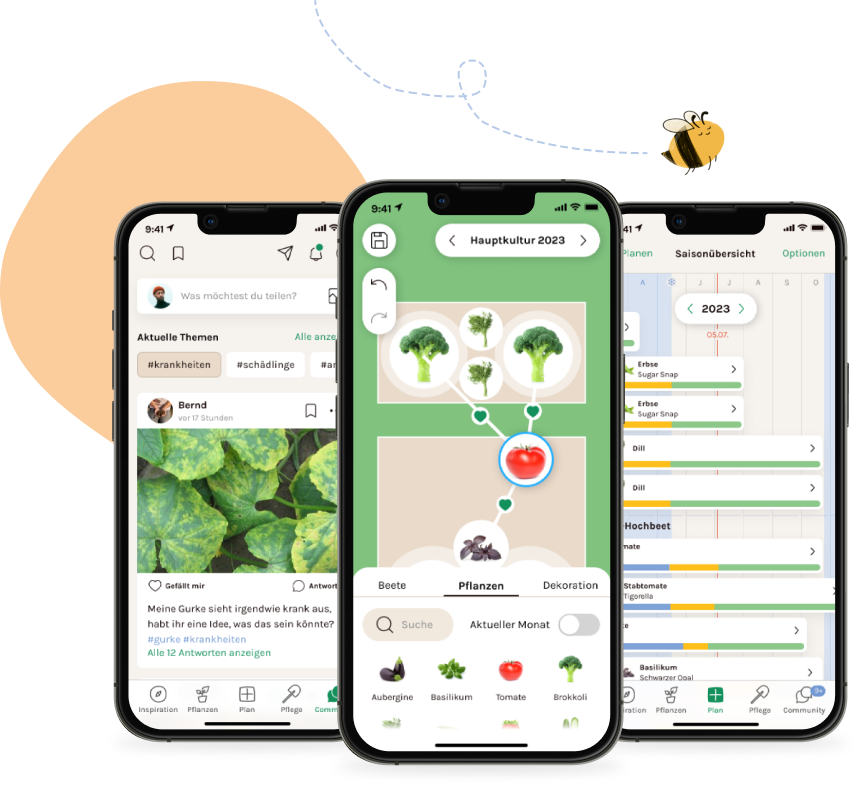
Plan your Berlin garden in the Fryd appPlanting Calendar
When to start indoors, sow outdoors, and harvest in Berlin.
| Crop | Jan | Feb | Mar | Apr | May | Jun | Jul | Aug | Sep | Oct | Nov | Dec |
|---|---|---|---|---|---|---|---|---|---|---|---|---|
| Carrots ●●● ●●○ ●○○ | |
|
|
|
|
|
|
|
||||
| Lettuce (Lettuce) ●●○ ●●○ ●●○ | |
|
|
|
|
|
|
|
|
|||
| Cucumber / Gherkin ●●● ●●○ ●●● | |
|
|
|
|
|
||||||
| Courgette / Zucchini ●●● ●●● ●●● | |
|
|
|
|
|
|
|||||
| Pepper / Paprika ●●● ●●○ ●●● | |
|
|
|
|
|
|
|||||
| Potato ●●● ●●○ ●●● | |
|
|
|
|
|
|
|
||||
| Radishes ●●● ●●○ ●○○ | |
|
|
|
|
|
|
|
||||
| Tomato (Bush tomato) ●●● ●●○ ●●● | |
|
|
|
|
|
|
|
||||
| Onion ●●● ●●○ ●●○ | |
|
|
|
|
|
||||||
| Tomato (Cocktail bush tomato) ●●● ●●○ ●●● | |
|
|
|
|
|
|
|
||||
| Bean (Dwarf bean) ●●● ●●○ ●○○ | |
|
|
|
|
|
||||||
| Pea ●●● ●●○ ●○○ | |
|
|
|
|
|
|
|||||
| Basil ●●● ●●○ ●●● | |
|
|
|
|
|
|
|||||
| Beetroot ●●● ●●○ ●●○ | |
|
|
|
|
|
|
|
||||
| Strawberry ●●● ●●○ ●●● | |
|
|
|
|
|
|
|
||||
| Kohlrabi / German turnip / Turnip cabbage ●●● ●●○ ●●○ | |
|
|
|
|
|
|
|
||||
| Garlic ●●● ●●○ ●○○ | |
|
|
|
|
|
||||||
| Pumpkin / Squash ●●● ●●● ●●● | |
|
|
|
|
|
||||||
| Broccoli ●●● ●●● ●●● | |
|
|
|
|
|
|
|
||||
| Common marigold ●●● ●○○ | |
|
|
|
|
|
|
|
|
Planting Calendar Berlin
- Carrots: Sowing Apr - Jul, Harvest Jul - Nov (Light: high, Water: medium, Nutrients: low)
- Lettuce (Lettuce): Start indoors Mar - Sep, Sowing Apr - Oct, Harvest Apr - Nov (Light: medium, Water: medium, Nutrients: medium)
- Cucumber / Gherkin: Start indoors May - Jun, Sowing Jun - Jul, Harvest Jul - Oct (Light: high, Water: medium, Nutrients: high)
- Courgette / Zucchini: Start indoors Apr - Jun, Sowing Jun - Jul, Harvest Jul - Oct (Light: high, Water: high, Nutrients: high)
- Pepper / Paprika: Start indoors Mar - Apr, Sowing Jun - Jul, Harvest Aug - Oct (Light: high, Water: medium, Nutrients: high)
- Potato: Start indoors Mar - Apr, Sowing Apr - Jul, Harvest Jul - Oct (Light: high, Water: medium, Nutrients: high)
- Radishes: Sowing Mar - Sep, Harvest Jun - Oct (Light: high, Water: medium, Nutrients: low)
- Tomato (Bush tomato): Start indoors Mar - May, Sowing Jun - Jul, Harvest Jul - Oct (Light: high, Water: medium, Nutrients: high)
- Onion: Start indoors Feb - Mar, Sowing Mar - May, Harvest Aug - Sep (Light: high, Water: medium, Nutrients: medium)
- Tomato (Cocktail bush tomato): Start indoors Mar - May, Sowing Jun - Jul, Harvest Jul - Oct (Light: high, Water: medium, Nutrients: high)
- Bean (Dwarf bean): Start indoors May - Jun, Sowing Jun - Jul, Harvest Jul - Oct (Light: high, Water: medium, Nutrients: low)
- Pea: Sowing Apr - Jul, Harvest Jun - Oct (Light: high, Water: medium, Nutrients: low)
- Basil: Start indoors Apr - Jul, Sowing Jun - Aug, Harvest Jun - Oct (Light: high, Water: medium, Nutrients: high)
- Beetroot: Start indoors Mar - Apr, Sowing Apr - Jul, Harvest Jul - Oct (Light: high, Water: medium, Nutrients: medium)
- Strawberry: Start indoors Mar - May, Sowing Apr - Jul, Harvest Jun - Oct (Light: high, Water: medium, Nutrients: high)
- Kohlrabi / German turnip / Turnip cabbage: Start indoors Mar - Jun, Sowing Apr - Jul, Harvest Jun - Oct (Light: high, Water: medium, Nutrients: medium)
- Garlic: Sowing Sep - Nov, Harvest Jun - Aug (Light: high, Water: medium, Nutrients: low)
- Pumpkin / Squash: Start indoors Apr - Jun, Sowing Jun - Jul, Harvest Sep - Oct (Light: high, Water: high, Nutrients: high)
- Broccoli: Start indoors Mar - May, Sowing Jun - Jul, Harvest Jul - Oct (Light: high, Water: high, Nutrients: high)
- Common marigold: Start indoors Mar - Apr, Sowing May - Aug, Harvest Jul - Nov (Light: high, Nutrients: low)
Based on Fryd planting data for Zone 7b, 2026.
Companion Planting for Berlin
Plants that thrive together in Berlin & Brandenburg.
Some plants grow better side by side: they keep pests away, improve the soil or make the most of the space. More on companion planting →
 +
+
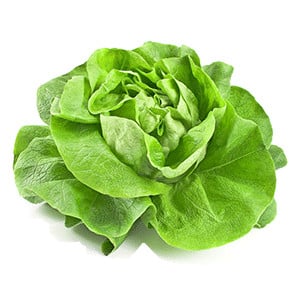
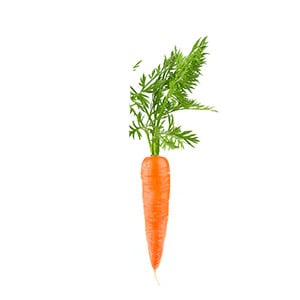
Lettuce covers the soil around your carrots, retains moisture, and protects against weeds because it grows quickly.
 +
+
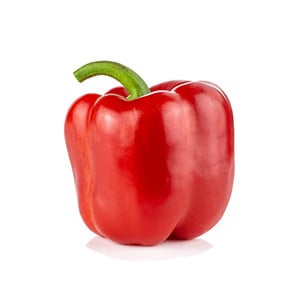
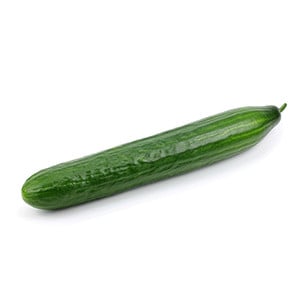
Cucumber / Gherkin + Pepper / Paprika
Your peppers and cucumbers have similar demands for light, water, and nutrients, and they thrive well in high humidity.
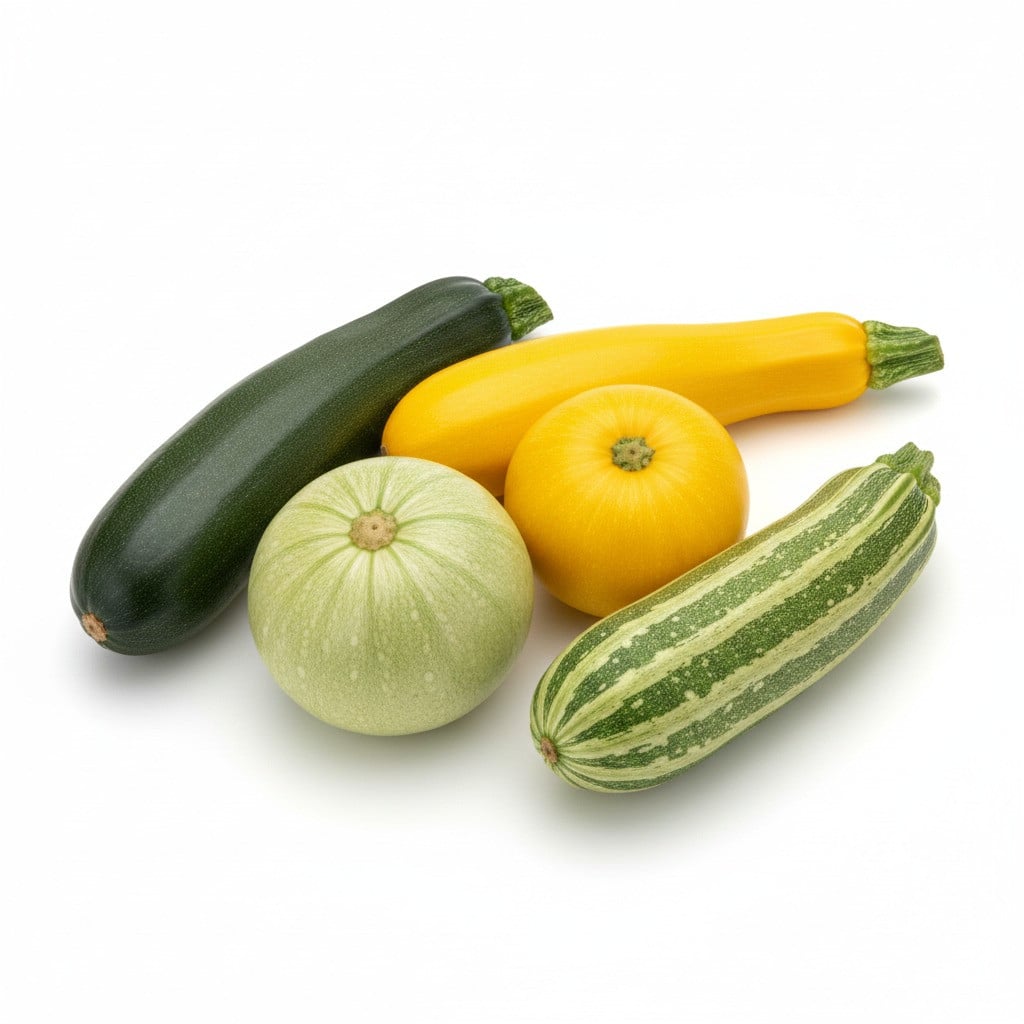 +
+
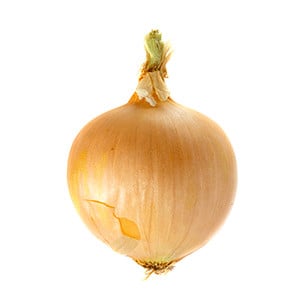
Your onions keep pests away from zucchini with their scent and prevent powdery mildew.
 +
+

Potato + Common marigold
Potatoes and marigolds are good neighbors because marigolds contribute to soil health and keep nematodes away.
 +
+
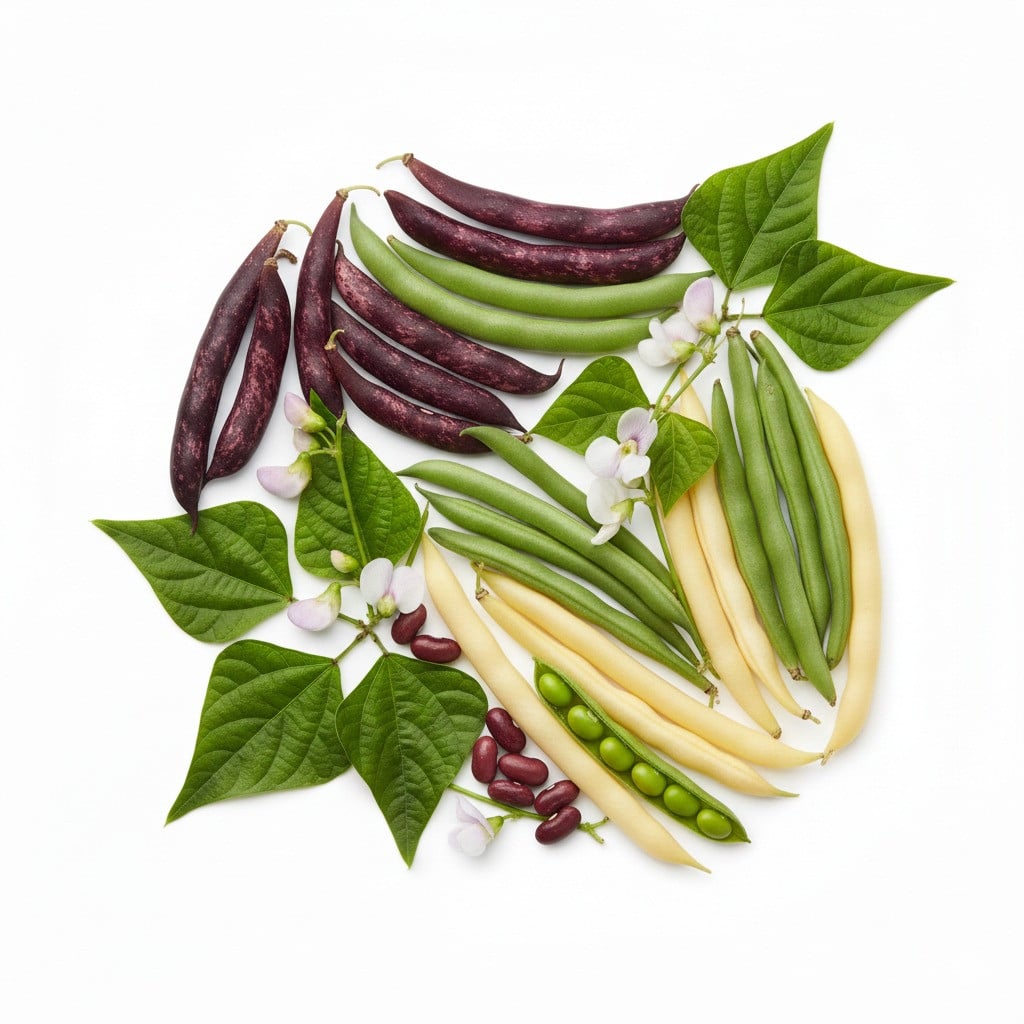
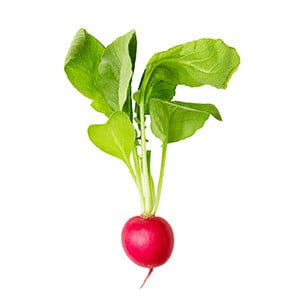
Radishes + Bean (Dwarf bean)
Radishes loosen the soil and make space for bush bean roots, which makes you both a great match.
Plan companions visually
Drag and drop crops in the Fryd bed planner to see companion matches.
Try Fryd →Growing Tips for Berlin
Give Your Plants a Head Start
Give your plants a head start by sowing seeds indoors, especially for crops like garden lettuce (from March) or kohlrabi (from April). This trick helps extend your harvest season and keeps your young plants safe from any sneaky late frosts. Just make sure to use fine seed-starting mix and sow them at the right depth, about 0.5 to 1 cm deep.
Consistent Moisture is Key
Lots of plants, like radishes and broccoli, need a steady supply of water to really thrive and prevent them from getting tough or woody. With Berlin's sandy soils, regular watering is super important to stop them from drying out too quickly. Pumpkins and zucchini, in particular, are very thirsty!
Soak Up the Sun for a Bountiful Harvest
Most veggies, like onions, tomatoes, and peppers, are total sun worshippers! Pick a spot in your garden that gets at least 6 hours of direct sunlight daily to encourage plenty of fruit. Basil also loves warmth and is quite sensitive to frost.
Don't Forget Soil Prep!
Loose, humus-rich soil is the secret to happy, healthy plants. Radishes and onions love well-drained soil, while broccoli is quite fond of deeper, limy soils. Before you sow or plant, make sure to mix in some compost or well-rotted manure to give your plants a nutrient boost.
Common Pests & Diseases
Aphids
Aphids can attack lots of plants, especially tender young shoots. You can blast them off with a strong spray of water, or invite natural predators like ladybugs to your garden. A simple mix of insecticidal soap and water can also help keep these little pests under control.
Slugs & Snails
Slugs and snails are a common headache, especially for lettuce and young radishes. Try hand-picking them regularly, setting up slug barriers, or using iron phosphate slug pellets, which are safe for pets and hedgehogs. And don't forget to encourage natural predators like hedgehogs and birds!
Late Blight
This fungal disease often hits tomatoes and potatoes, especially when it's damp. Make sure your plants have enough space between them and snip off any affected leaves right away. Always water your plants at the base to keep the foliage dry and help stop the spread.
Cabbage White Butterfly
The cabbage white butterfly loves to lay its eggs on brassicas like kohlrabi and broccoli. Protect your precious plants with fine-mesh insect netting to keep those butterflies from laying. Also, make sure to regularly check the undersides of leaves for caterpillars and pick them off.
Frequently Asked Questions
When should I plant tomatoes in Berlin?
Tomatoes are super sensitive to frost, so in Berlin, you should only plant them outdoors from mid-May. You can start them indoors from April to May to get strong seedlings ready. Pick a sunny, sheltered spot for them!
What climate zone is Berlin in?
Berlin is located in USDA Climate Zone 7b. This means our average annual minimum temperatures typically range between -15°C and -12.2°C (5°F and 10°F). This zone is great for growing a wide variety of vegetables and ornamental plants!
What grows particularly well in Berlin gardens?
Lots of crops do really well in Berlin gardens! Think radishes, garden lettuce, carrots, and potatoes – they're all pretty cold-hardy. Onions, peas, and various cabbages like kohlrabi and broccoli are also super popular and yield great harvests. Just remember to pay attention to what each plant specifically needs.
When is the last frost in Berlin?
The last frost in Berlin is usually expected around early April. However, it's always a good idea to keep a close eye on the weather forecast. For frost-sensitive plants like beans, cucumbers, or pumpkins, it's safest to wait until mid-May before planting them outdoors.