Garden Guide
Garden Guide for Stuttgart, Swabia & Neckar Valley
Stuttgart is nestled in a sheltered basin, which often leads to milder temperatures but can also encourage fog. The soils here are often loamy to clayey, allowing for good water retention but also requiring good drainage.
In Stuttgart, USDA Hardiness Zone 7b, you can start sowing after the last frost in early April. Popular crops like garden lettuce (pre-sow March-Sep, harvest May-Oct) and radishes (sow April-Sep, harvest June-Oct) thrive here. Tomatoes (pre-sow April-May, harvest Aug-Sep) and potatoes (pre-sow April, harvest July-Sep) are also great to grow.
Also applies to: Ludwigsburg, Esslingen, Reutlingen, Tübingen, Heilbronn, Göppingen
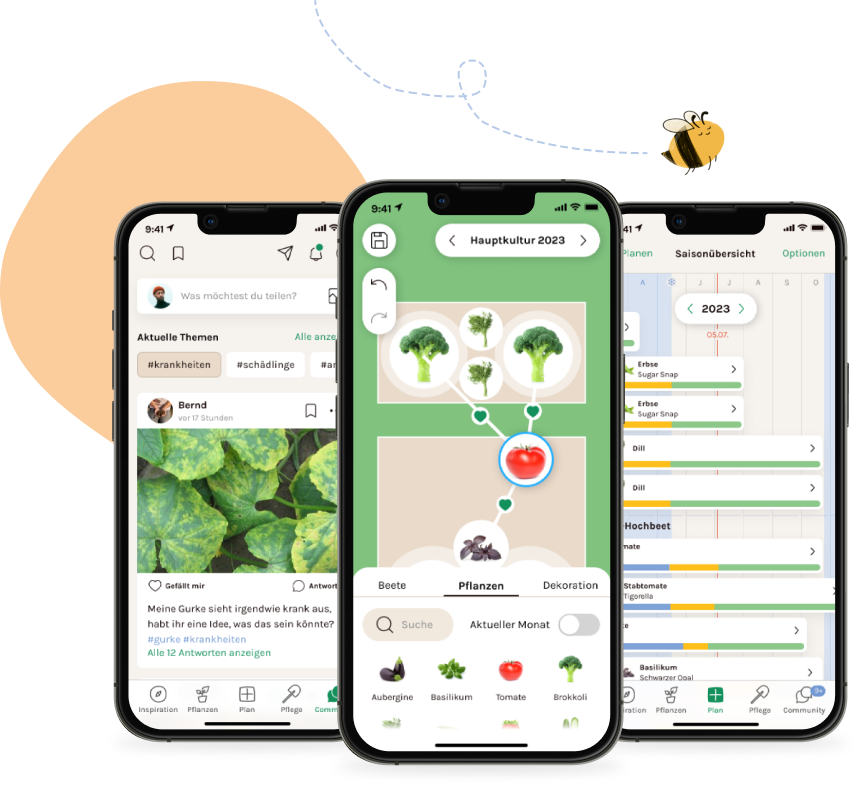
Plan your Stuttgart garden in the Fryd appPlanting Calendar
When to start indoors, sow outdoors, and harvest in Stuttgart.
| Crop | Jan | Feb | Mar | Apr | May | Jun | Jul | Aug | Sep | Oct | Nov | Dec |
|---|---|---|---|---|---|---|---|---|---|---|---|---|
| Carrots ●●● ●●○ ●○○ | |
|
|
|
|
|
|
|||||
| Lettuce (Lettuce) ●●○ ●●○ ●●○ | |
|
|
|
|
|
|
|
||||
| Cucumber / Gherkin ●●● ●●○ ●●● | |
|
|
|
|
|||||||
| Courgette / Zucchini ●●● ●●● ●●● | |
|
|
|
|
|
|
|||||
| Pepper / Paprika ●●● ●●○ ●●● | |
|
|
|
|
|
|
|||||
| Potato ●●● ●●○ ●●● | |
|
|
|
|
|
|
|
||||
| Radishes ●●● ●●○ ●○○ | |
|
|
|
|
|
|
|
||||
| Tomato (Bush tomato) ●●● ●●○ ●●● | |
|
|
|
|
|
|
|
||||
| Onion ●●● ●●○ ●●○ | |
|
|
|
|
|
||||||
| Tomato (Cocktail bush tomato) ●●● ●●○ ●●● | |
|
|
|
|
|
|
|
||||
| Bean (Dwarf bean) ●●● ●●○ ●○○ | |
|
|
|
|
|||||||
| Pea ●●● ●●○ ●○○ | |
|
|
|
|
|
|
|||||
| Basil ●●● ●●○ ●●● | |
|
|
|
|
|
|
|||||
| Beetroot ●●● ●●○ ●●○ | |
|
|
|
|
|
|
|
||||
| Strawberry ●●● ●●○ ●●● | |
|
|
|
|
|
|
|||||
| Kohlrabi / German turnip / Turnip cabbage ●●● ●●○ ●●○ | |
|
|
|
|
|
|
|
||||
| Garlic ●●● ●●○ ●○○ | |
|
|
|
|
|
||||||
| Pumpkin / Squash ●●● ●●● ●●● | |
|
|
|
|
|
||||||
| Broccoli ●●● ●●● ●●● | |
|
|
|
|
|
|
|
||||
| Common marigold ●●● ●○○ | |
|
|
|
|
|
|
|
Planting Calendar Stuttgart
- Carrots: Sowing Apr - Jun, Harvest Jul - Oct (Light: high, Water: medium, Nutrients: low)
- Lettuce (Lettuce): Start indoors Mar - Sep, Sowing Apr - Sep, Harvest Apr - Oct (Light: medium, Water: medium, Nutrients: medium)
- Cucumber / Gherkin: Start indoors May - Jun, Sowing Jun - Jul, Harvest Jul - Sep (Light: high, Water: medium, Nutrients: high)
- Courgette / Zucchini: Start indoors Apr - Jun, Sowing Jun - Jul, Harvest Jul - Oct (Light: high, Water: high, Nutrients: high)
- Pepper / Paprika: Start indoors Mar - Apr, Sowing Jun - Jul, Harvest Aug - Oct (Light: high, Water: medium, Nutrients: high)
- Potato: Start indoors Mar - Apr, Sowing Apr - Jul, Harvest Jul - Oct (Light: high, Water: medium, Nutrients: high)
- Radishes: Sowing Mar - Sep, Harvest Jun - Oct (Light: high, Water: medium, Nutrients: low)
- Tomato (Bush tomato): Start indoors Mar - May, Sowing Jun - Jul, Harvest Jul - Oct (Light: high, Water: medium, Nutrients: high)
- Onion: Start indoors Feb - Mar, Sowing Mar - May, Harvest Aug - Sep (Light: high, Water: medium, Nutrients: medium)
- Tomato (Cocktail bush tomato): Start indoors Mar - May, Sowing Jun - Jul, Harvest Jul - Oct (Light: high, Water: medium, Nutrients: high)
- Bean (Dwarf bean): Start indoors May - Jun, Sowing Jun - Jul, Harvest Jul - Sep (Light: high, Water: medium, Nutrients: low)
- Pea: Sowing Apr - Jul, Harvest Jun - Oct (Light: high, Water: medium, Nutrients: low)
- Basil: Start indoors Apr - Jul, Sowing Jun - Aug, Harvest Jun - Oct (Light: high, Water: medium, Nutrients: high)
- Beetroot: Start indoors Mar - Apr, Sowing Apr - Jul, Harvest Jul - Oct (Light: high, Water: medium, Nutrients: medium)
- Strawberry: Start indoors Mar - May, Sowing Apr - Jul, Harvest Jun - Sep (Light: high, Water: medium, Nutrients: high)
- Kohlrabi / German turnip / Turnip cabbage: Start indoors Mar - Jun, Sowing Apr - Jul, Harvest Jun - Oct (Light: high, Water: medium, Nutrients: medium)
- Garlic: Sowing Sep - Nov, Harvest Jun - Aug (Light: high, Water: medium, Nutrients: low)
- Pumpkin / Squash: Start indoors Apr - Jun, Sowing Jun - Jul, Harvest Sep - Oct (Light: high, Water: high, Nutrients: high)
- Broccoli: Start indoors Mar - May, Sowing Jun - Jul, Harvest Jul - Oct (Light: high, Water: high, Nutrients: high)
- Common marigold: Start indoors Mar - Apr, Sowing May - Aug, Harvest Jul - Oct (Light: high, Nutrients: low)
Based on Fryd planting data for Zone 7b, 2026.
Companion Planting for Stuttgart
Plants that thrive together in Swabia & Neckar Valley.
Some plants grow better side by side: they keep pests away, improve the soil or make the most of the space. More on companion planting →
 +
+
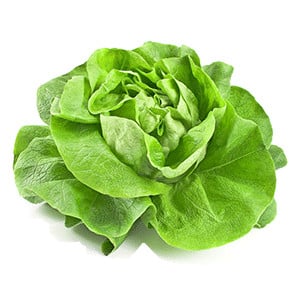
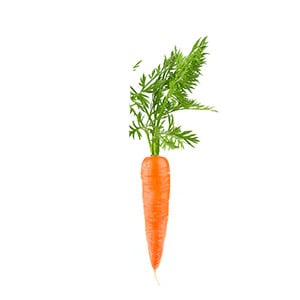
Carrots and lettuce are great companions! Lettuce has shallow roots and acts as a ground cover, which is super beneficial for your carrots.
 +
+
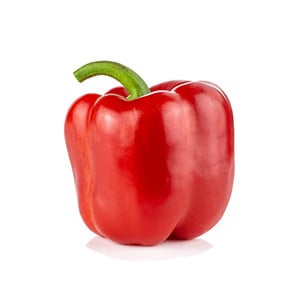
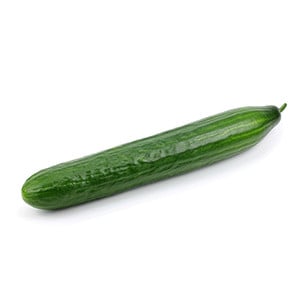
Cucumber / Gherkin + Pepper / Paprika
Cucumbers and bell peppers make good neighbors because they have similar needs for light, water, and nutrients, and they really complement each other.
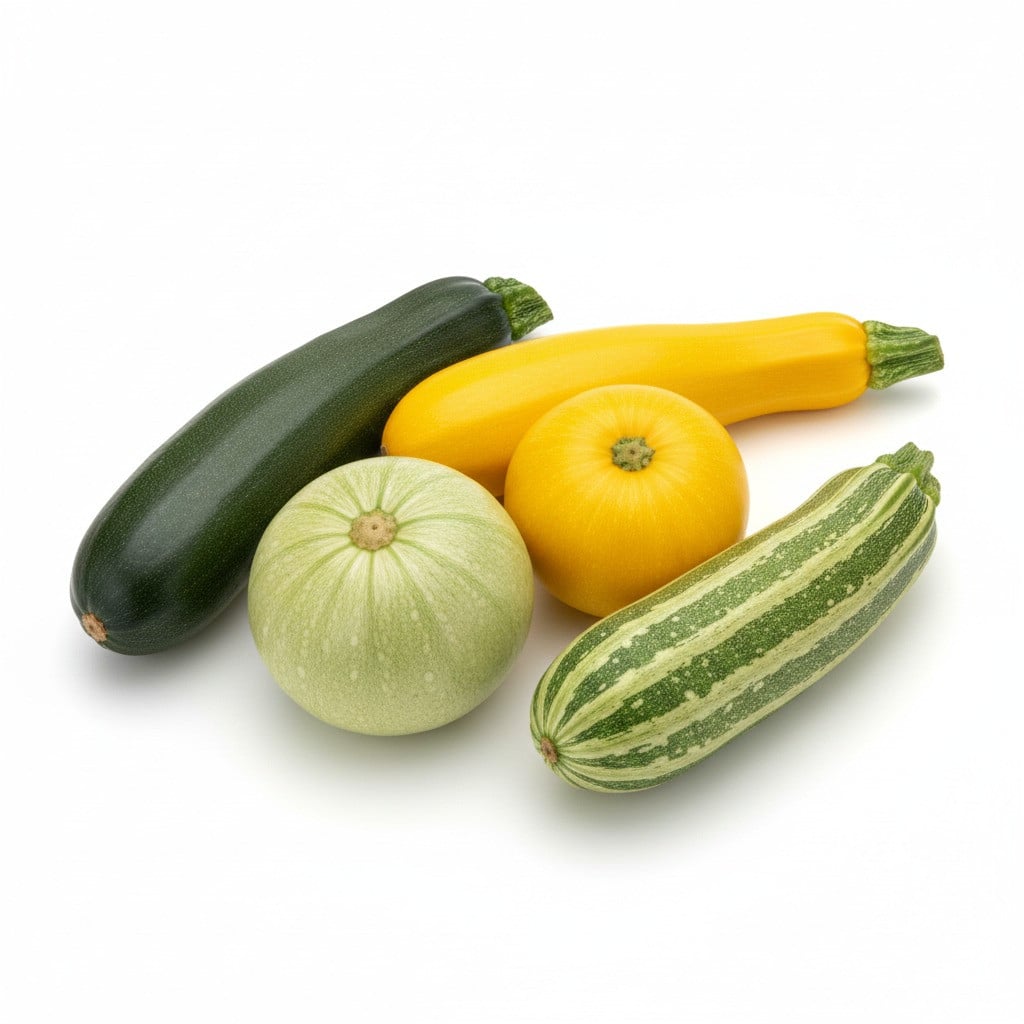 +
+
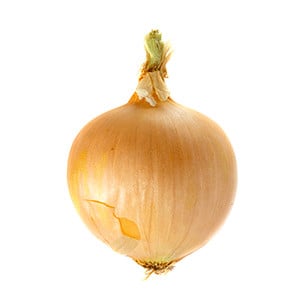
Zucchini and onions are good companions because the strong smell of onions helps to deter pests from your zucchini plants.
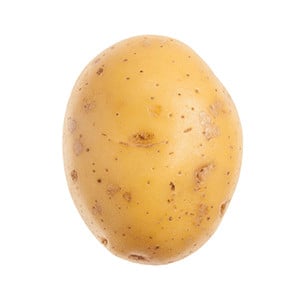 +
+

Potato + Common marigold
Potatoes and marigolds are excellent companions! Marigolds help improve soil health and can even deter nematodes from bothering your potato plants.
 +
+
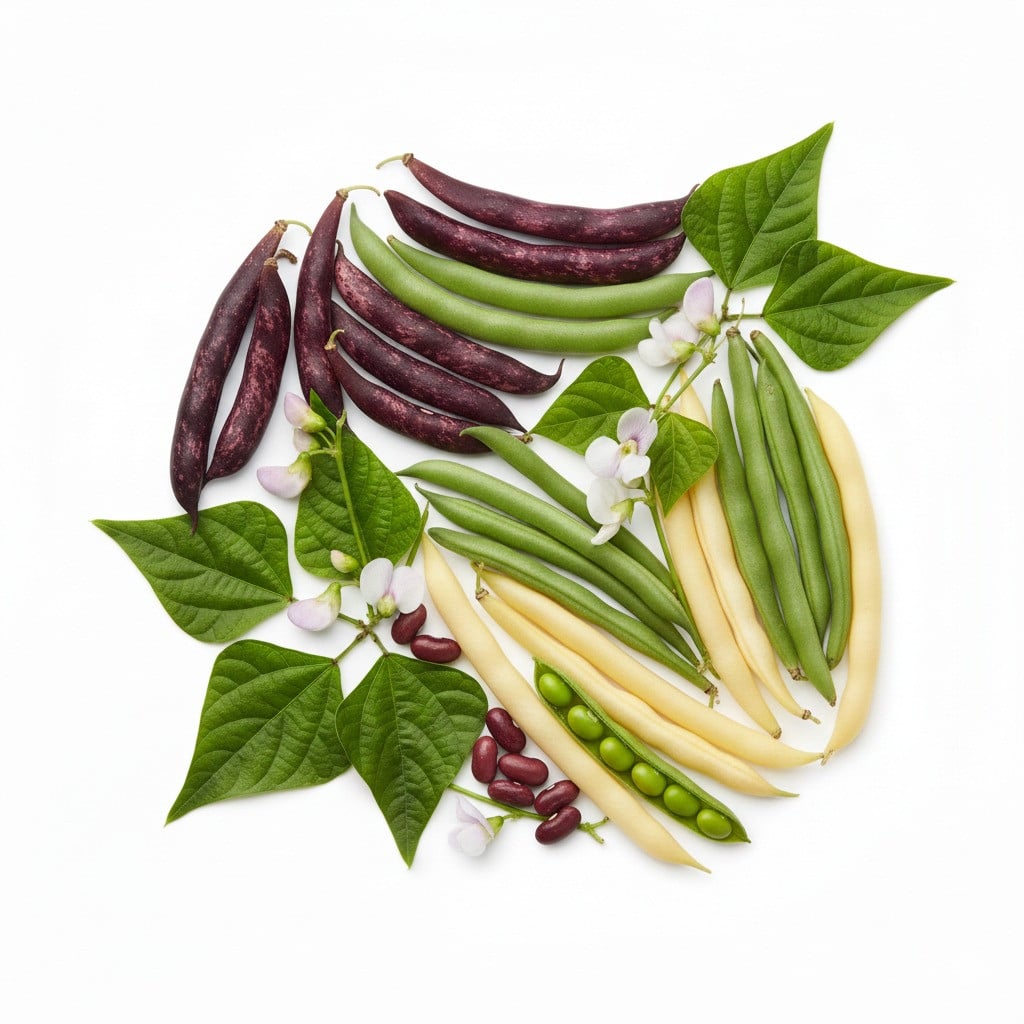
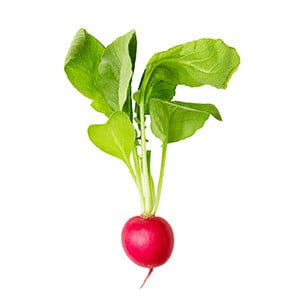
Radishes + Bean (Dwarf bean)
Radishes and bush beans are good companions because radishes help loosen the soil, making more room for your bean roots to grow.
Plan companions visually
Drag and drop crops in the Fryd bed planner to see companion matches.
Try Fryd →Growing Tips for Stuttgart
Soil Prep is Key
Many plants, like radishes and carrots, prefer loose, humus-rich soil. Prepare your soil well by loosening it deeply and enriching it with compost to create optimal growing conditions.
Ensure Consistent Moisture
Most of your veggies, including radishes, carrots, and onions, need consistent moisture. Especially for fast-growing crops, make sure to avoid drought stress to prevent woody roots/bulbs or poor harvests.
Protect Frost-Sensitive Crops
Plants like pumpkins, zucchini, and beans are very sensitive to frost and should only be moved outdoors after the 'Ice Saints' (mid-May). Starting them indoors protects young plants from the cold and gives them a head start.
Harness the Benefits of Pre-Sowing
Take advantage of pre-sowing for many crops like garden lettuce, onions, or tomatoes to get an earlier or longer harvest. Start them in sheltered indoor spaces before moving the seedlings outdoors.
Common Pests & Diseases
Combat Aphids
Aphids suck sap from young shoots and leaves, weakening plants. Spray affected plants with a mix of water and soft soap, or introduce beneficial insects like ladybug larvae.
Keep Snails and Slugs in Check
Snails and slugs love to munch on young lettuce plants and other tender veggies. Protect your beds with slug fences, hand-pick the pests, or scatter organic slug pellets.
Prevent Cabbage White Butterflies
Cabbage white caterpillars chew holes in cabbage leaves. Cover your brassicas with a fine-mesh insect netting to prevent egg-laying, or regularly pick off the caterpillars.
Late Blight in Tomatoes/Potatoes
Late blight shows up as brown spots on leaves and stems, especially in humid weather. Ensure good spacing between plants and immediately remove affected plant parts to prevent spread.
Frequently Asked Questions
When should I plant tomatoes in Stuttgart?
You should start tomato seeds indoors in Stuttgart from April to May. After the last frosts, typically in late May to early June, you can then transplant the young plants outdoors or into a greenhouse to harvest in August and September.
What hardiness zone is Stuttgart in?
Stuttgart is in Hardiness Zone 7b. This means the average annual lowest temperature ranges between -15°C and -12.2°C, allowing for the cultivation of a wide variety of plants.
What grows best in Stuttgart?
Many vegetables thrive in Stuttgart, especially those that appreciate warmth and consistent moisture. These include garden lettuce, radishes, carrots, onions, potatoes, and various brassicas like kohlrabi and broccoli.
When is the last frost in Stuttgart?
The last frost in Stuttgart is typically expected in early April. However, for frost-sensitive plants like pumpkins or tomatoes, you should wait until mid-May to be on the safe side.