Cascadia

Variety
Cascadia
Approved Data
created by steffen a. at 19.12.2023
Features
Fruit shape
tastes very good
schotenförmig
Color
carrot like
Geschmack
aromatisch
süß
Location
Gewächshaus
Freiland
Resistenzen
Fusariumwelke-resistent
Growth habit
mittelhoch
Season Overview
Sowing
Harvest
J
F
M
A
M
J
J
A
S
O
N
D
Description
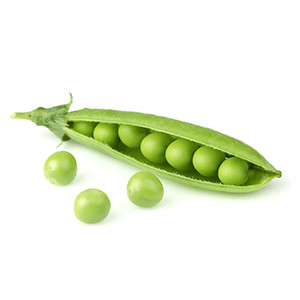
Sugar Snap Cascadia is a delicious and prolific variety of snap pea. It is known for its thick, juicy, and flavorful pods that are perfect for eating raw or lightly cooked. Cascadia Snap Pea plants grow to be about 2-3 feet tall and produce an abundance of sweet, plump pods that are about 3 inches long. They have resistance to pea enation mosaic virus and fusarium wilt race 1, making them a great choice for gardeners who want a reliable and disease-resistant crop. One of the best things about Cascadia Snap Peas is their versatility. They can be eaten raw in salads or cooked in stir-fries, and they have a sweet flavor that pairs well with a variety of dishes. Whether you're a seasoned gardener or a beginner, Cascadia Snap Peas are a great choice! 🌱🥦
Non hybrid
Not frost resistant
Growing tips
Your peas need a sunny location with well-drained but rich soil. Ideally, the soil should be dug up and fertilized in autumn before sowing. However, if you have good garden soil, a thin layer of good garden soil just before sowing is sufficient. Cascadia is a variety that is best sown in spring. The best results are achieved when the soil has warmed up, usually from mid-March to June, depending on where you live. Covering the sowing area in early spring helps to warm the soil and allows you to sow a few weeks earlier. Peas grow quickly and the plants will not bear fruit all season, so it is best to sow every 4 weeks. Sowing peas very early provides protection from the weather and from mice looking for food - pea seeds are very popular! Direct sowing: For best results, sow pea seeds directly into the growing position. Sow the seeds in a single row 5 cm apart and make sure there is enough space for plant supports. Make a single V-shaped sowing 5 cm deep, water the bottom of the sowing and sow the peas. A second row can be added as long as it is 30 cm away from the first sowing. Fill up the seed and water the peas well after sowing. Then, except in very dry weather, leave them until flowering, when they should be well watered to encourage good pod formation. Keep them weed free until they are well established.
Details


Light requirement
Sunny

Water requirement
Wet

Soil
Medium (loamy)
Nutrient requirement
Low

Plant distance
5 cm

Row spacing
50 cm

Seeding depth
5 cm

Companion Plants
Borage
Broccoli
Brussels sprouts
Cabbage (Cabbage)
Cabbage (Savoy cabbage)
Caraway / Meridian fennel / Persian cumin
Carrots
Cauliflower
Collard greens (Kale)
Collard greens (Tuscan kale / Dinosaur kale / Palm tree kale)
Common marigold
Corn / Maize
Cucumber / Gherkin
Dill
Fennel
Florence fennel / Finocchio
Kohlrabi / German turnip / Turnip cabbage
Lentils
Lettuce (Lettuce)
Lettuce (Radicchio / Italian chicory)
Melissa
Napa cabbage / Chinese cabbage
Nasturtium
Okra
Oregano
Pak Choi
Pumpkin / Squash
Radish
Radishes
Rhubarb
Root parsley
Rutabaga / Swedish turnip
Sage
Spinach (Summer)
Sunflower
Tarragon
Turnip

Antagonistic Plants
Diseases
Rust of pea
Powdery mildews
Pests
Pea weevils
Olive Brown Pea Moth